IndiaKazirangaWildlife
Why Tigers Love Water

Nicole Mody
Most cats avoid water like it’s a personal insult. Tigers did not get that memo. A tiger…
View More




People often ask me why I keep going back to Kaziranga. In all fairness, I am still relatively new to the travel industry, so many places continue to feel exciting and fresh. But there is a difference between returning because work takes you there and returning because a place quietly stays with you long after the trip ends.
Kaziranga became the second kind very quickly.
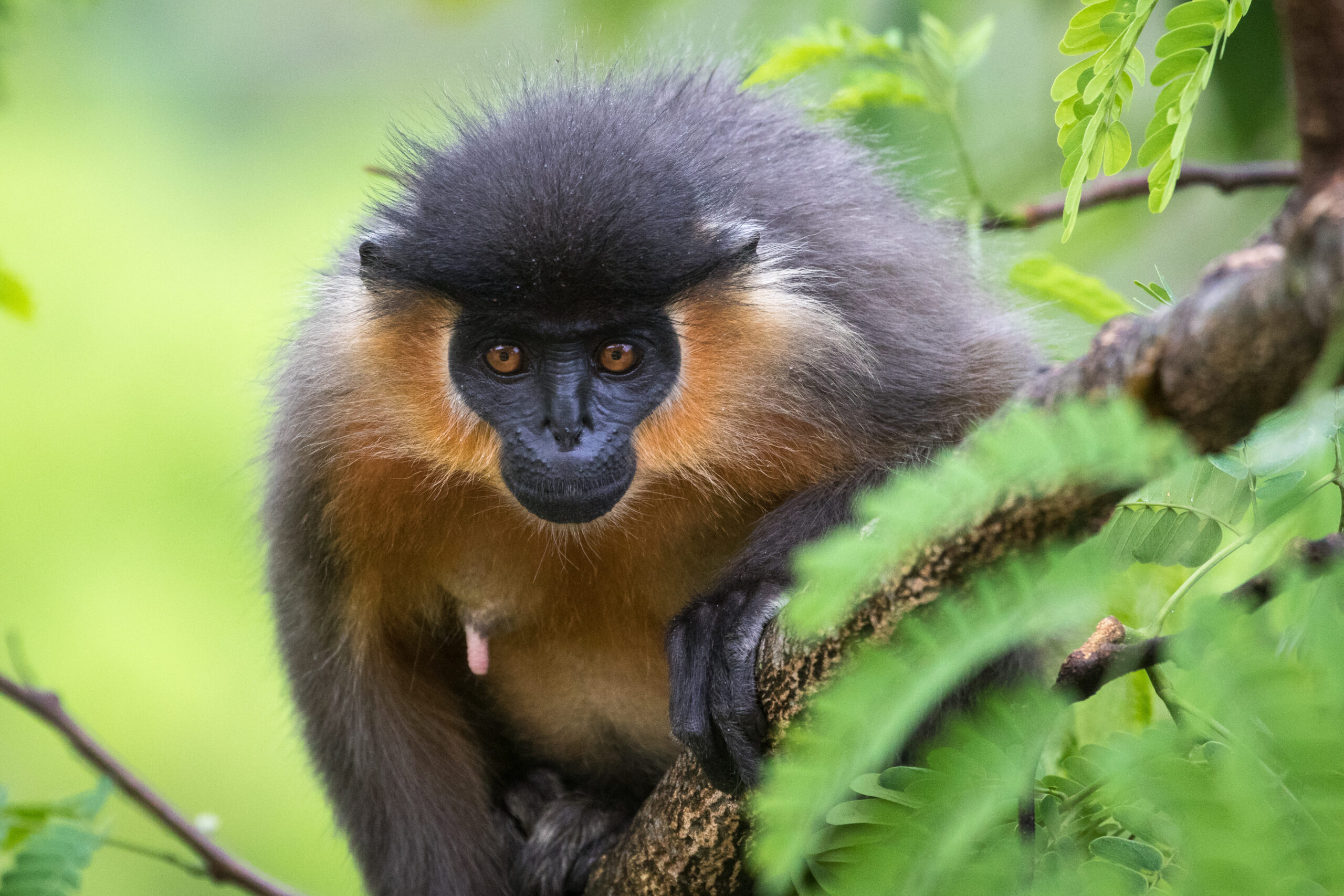
My first trip to Kaziranga National Park was in January 2024, and I still remember how strongly it affected me. Somewhere between the grasslands, the people, the food, the new culture and the wildlife, I realised something simple: jobs may fill your pockets, but adventures fill your soul. Assam felt like that from day one. I have been back about six times since.
At first, of course, it was the wildlife that drew me in. That is what gets most people through the door on a Kaziranga safari. The first time you see a rhino emerge silently through the morning mist, it genuinely feels prehistoric. The conservation story behind the greater one-horned rhinoceros makes every sighting even more meaningful.
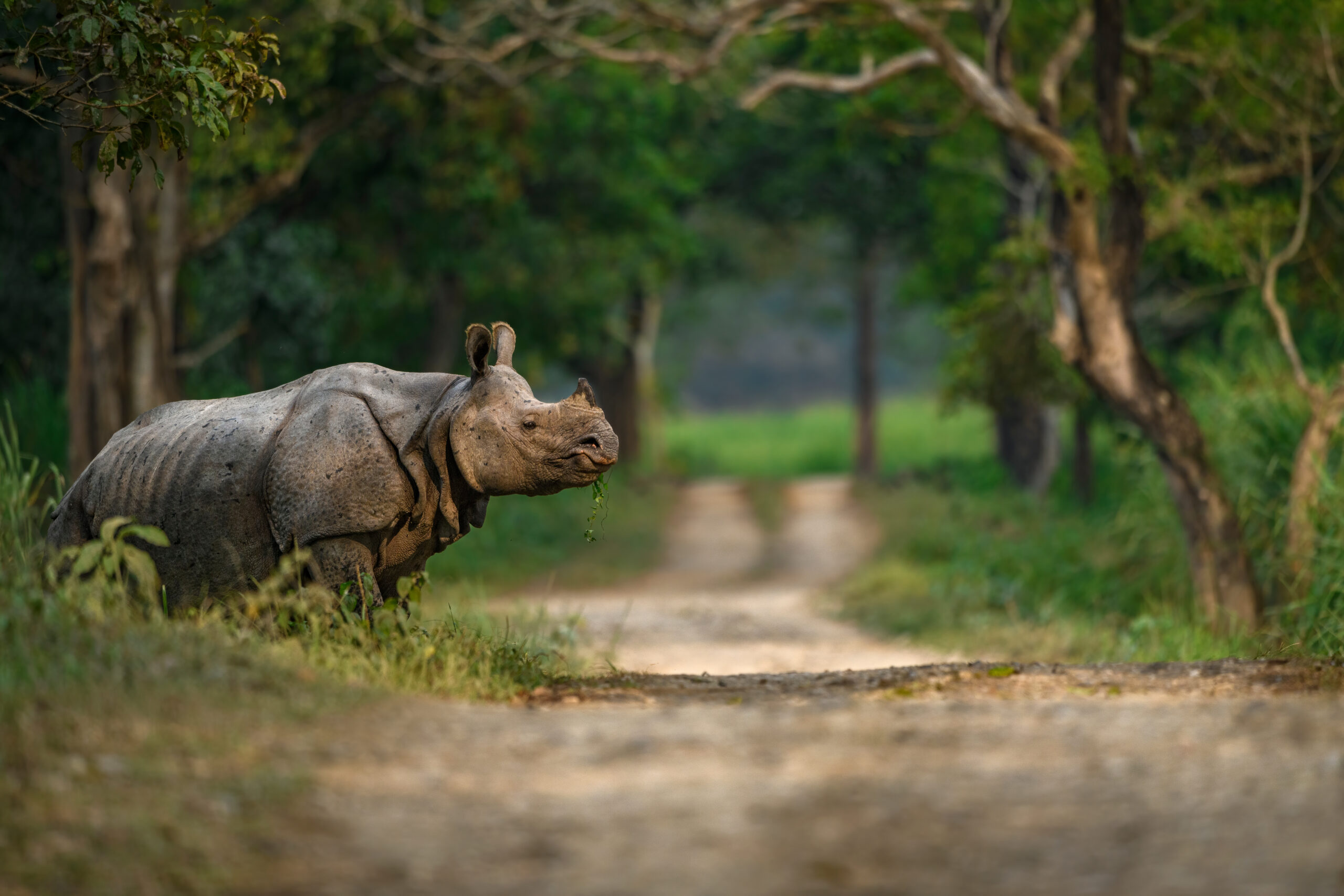
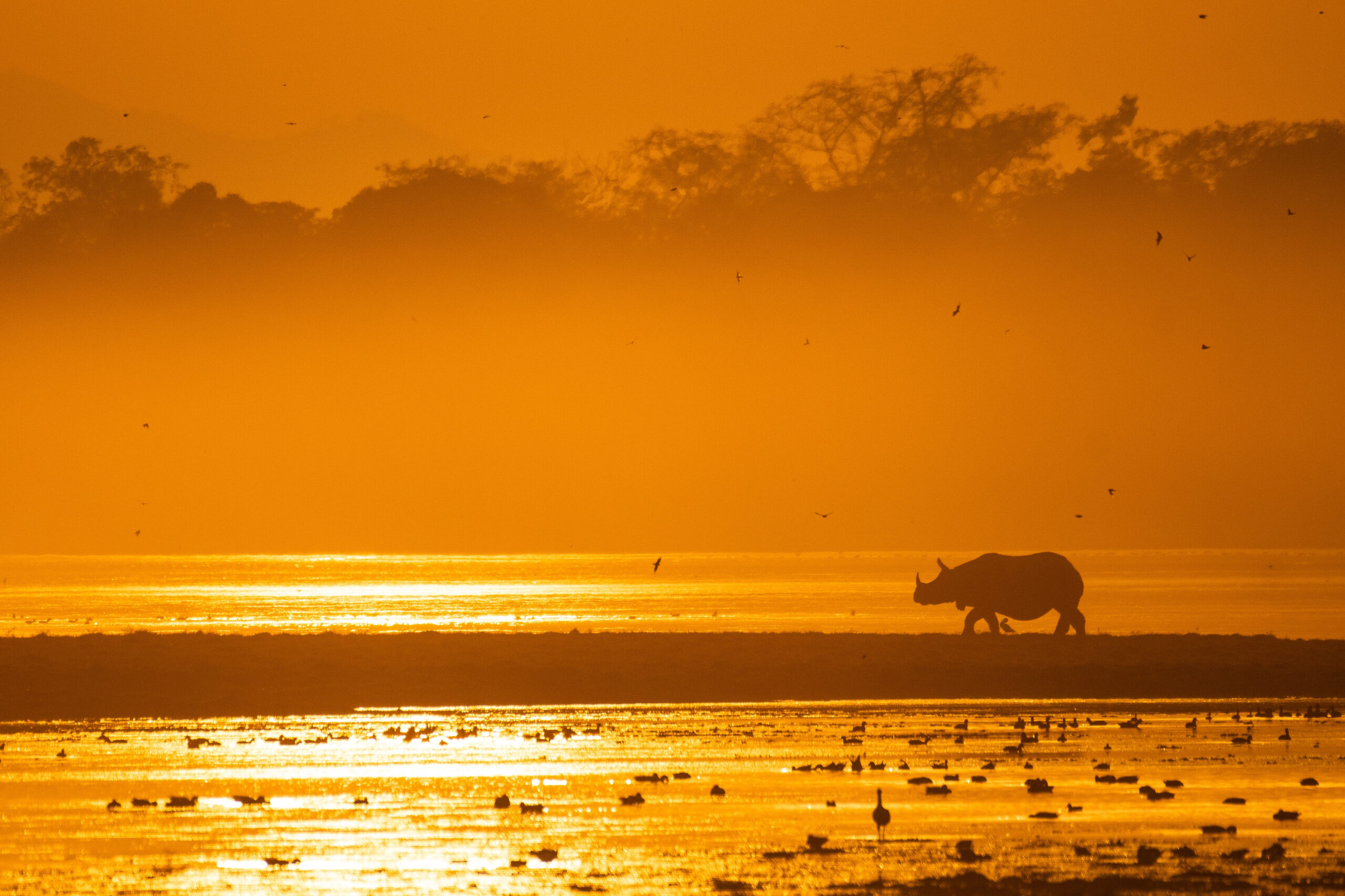
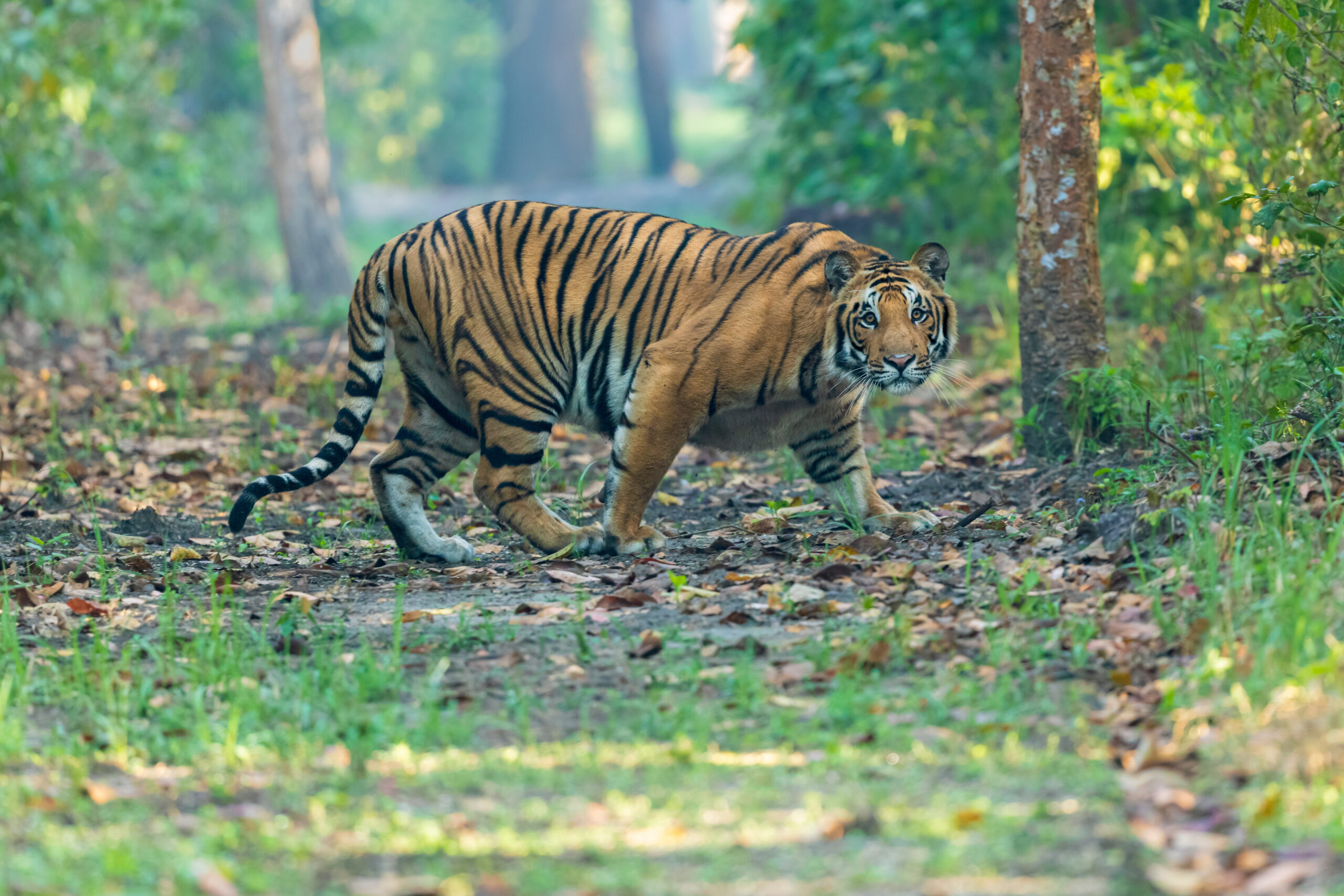
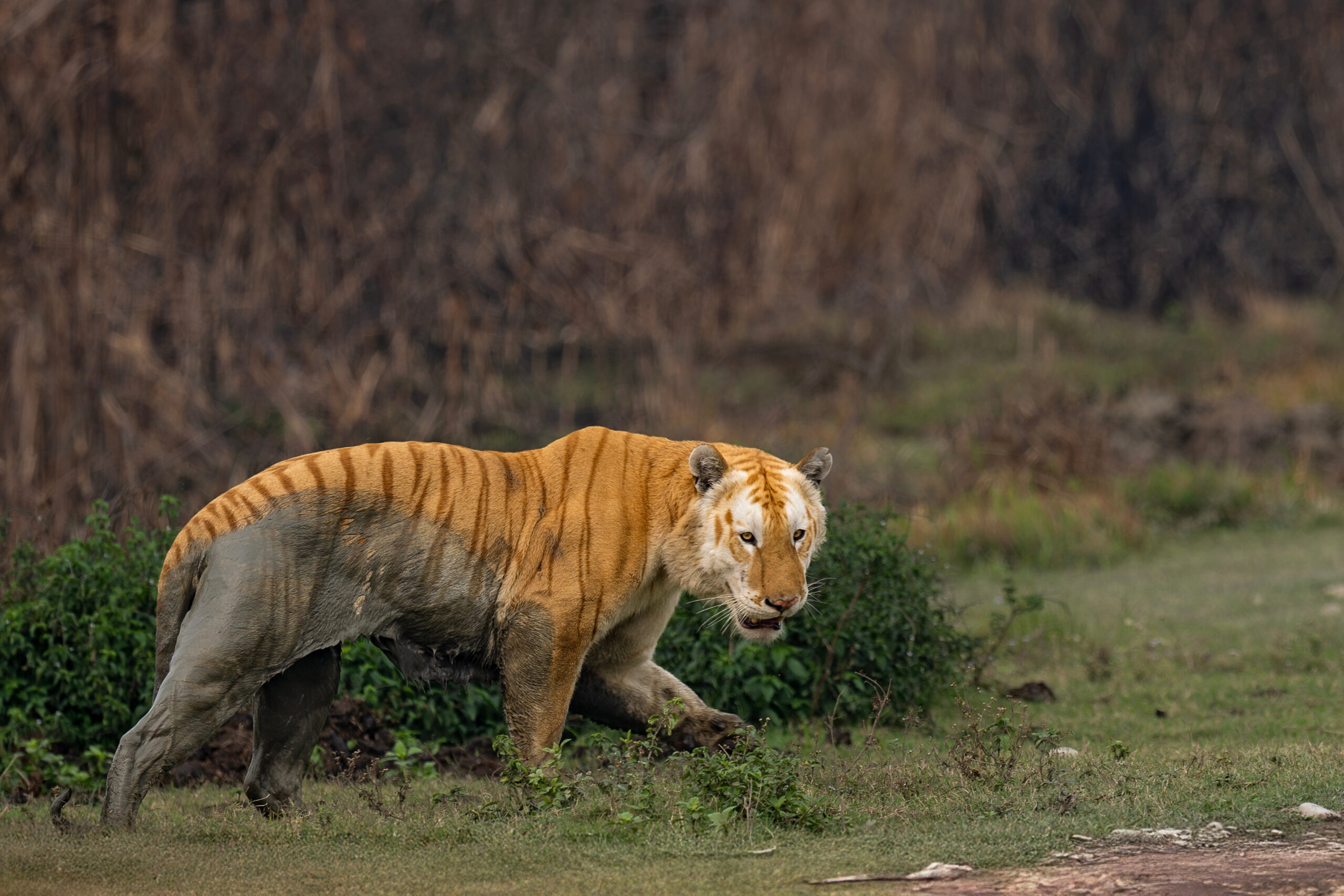
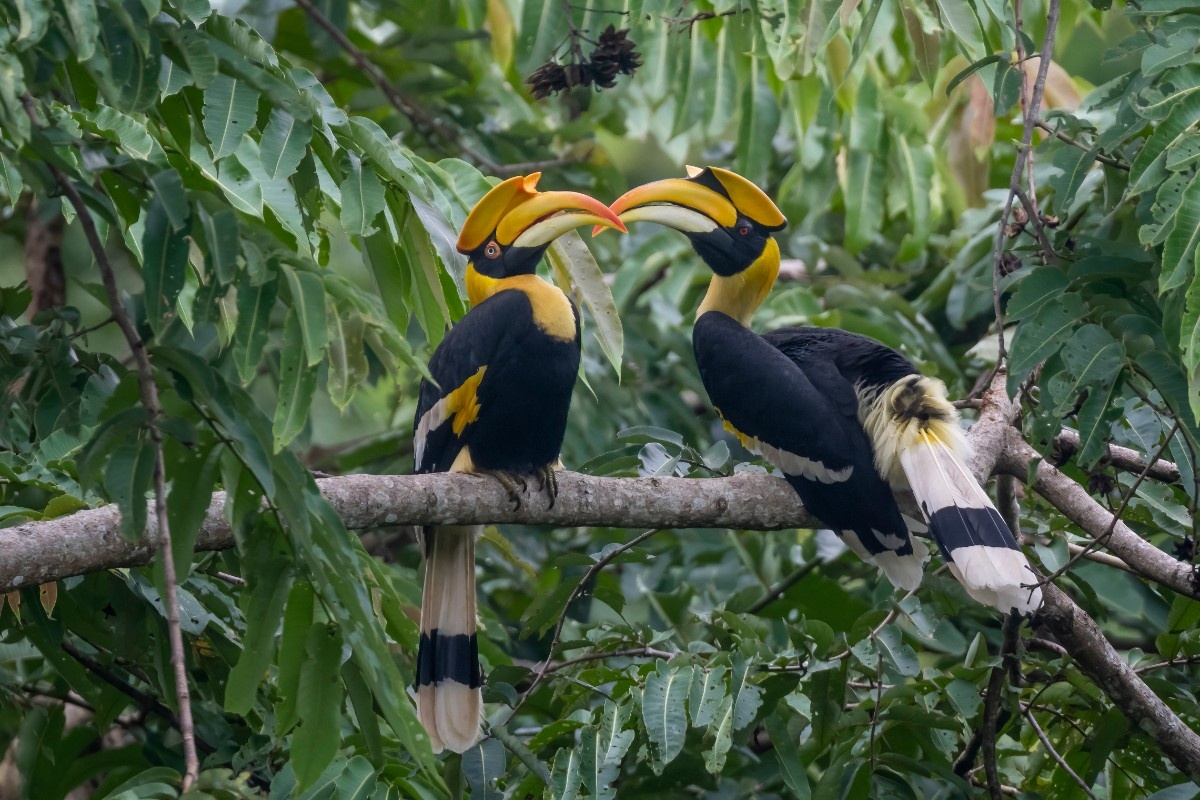
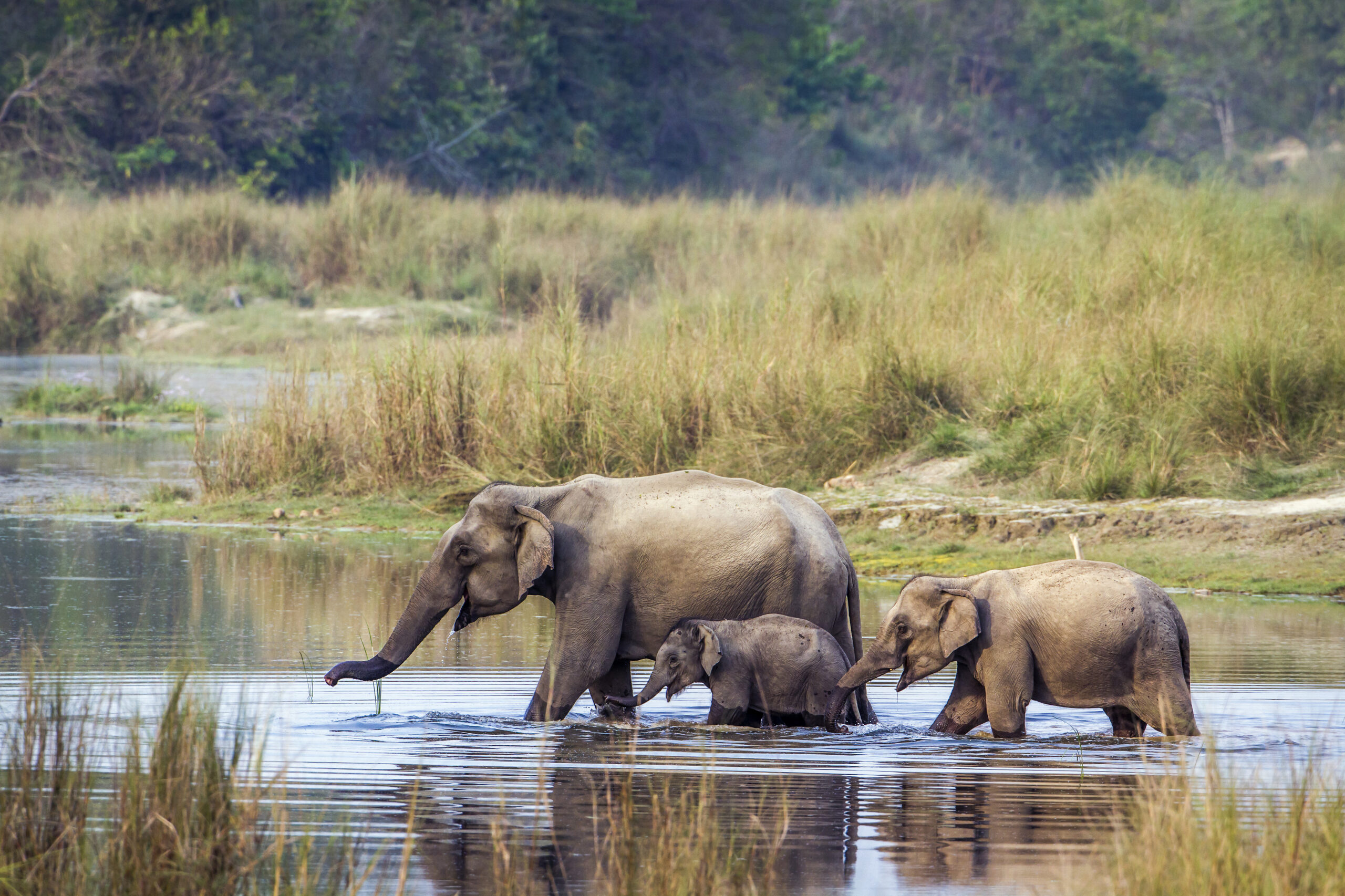
Then come the elephants, water buffaloes, otters, swamp deer, adjutant storks, fishing eagles and, if you are very lucky, the ‘golden’ tiger. The birdlife in Kaziranga is equally special. Watching bar-headed geese land here after crossing the Himalayas feels like proof that there really is something remarkable about this landscape. If birds are willing to make that journey every year, the rest of us are probably making decent life choices too.
Each zone of Kaziranga has its own personality. Kohora and Bagori are the classic Kaziranga experience, open floodplains, elephant grass, wetlands and the landscapes most people imagine when they think of Assam wildlife. Agaratoli feels quieter and softer, especially when mist hangs low over the grasslands, and the birds begin to take over the morning.
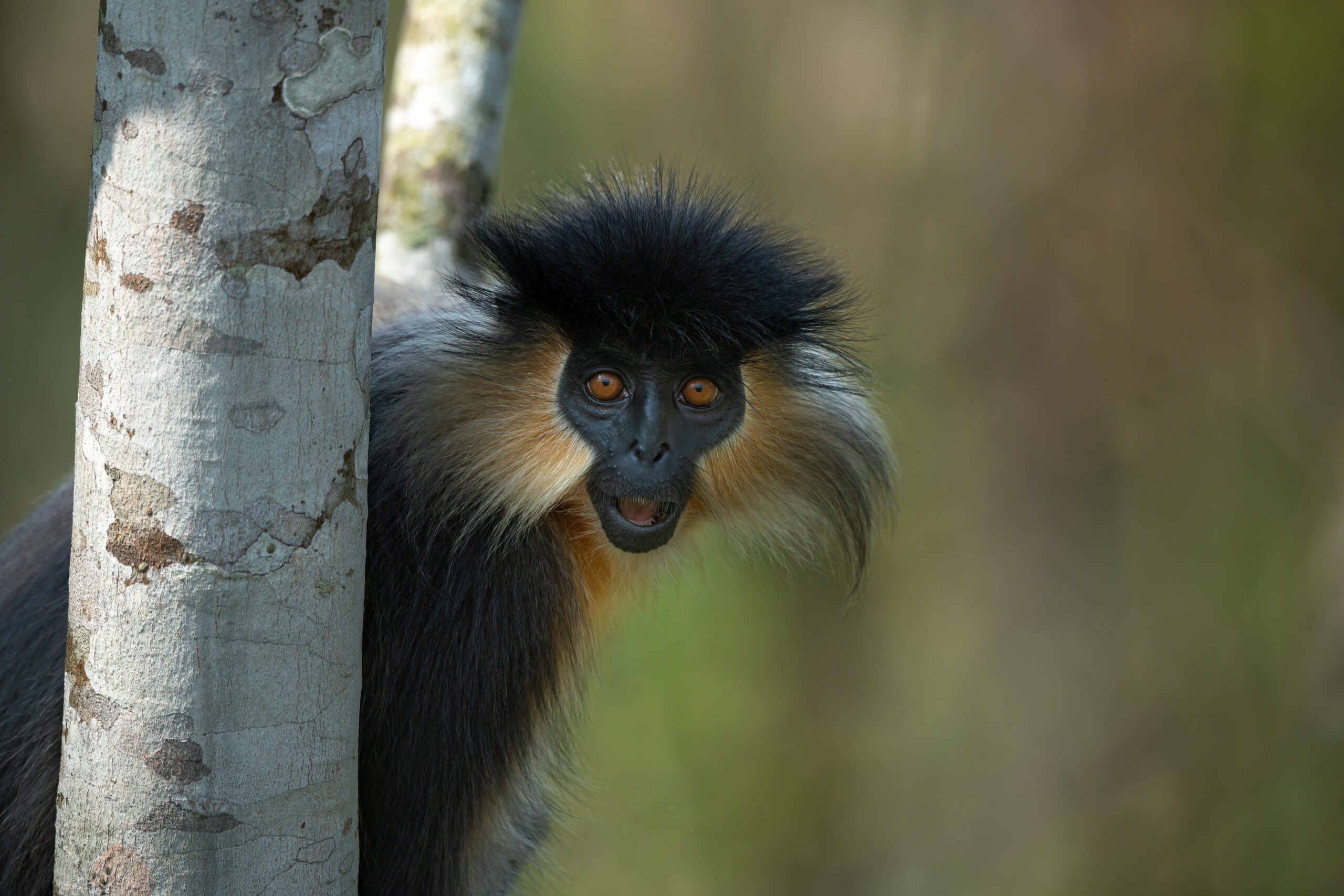
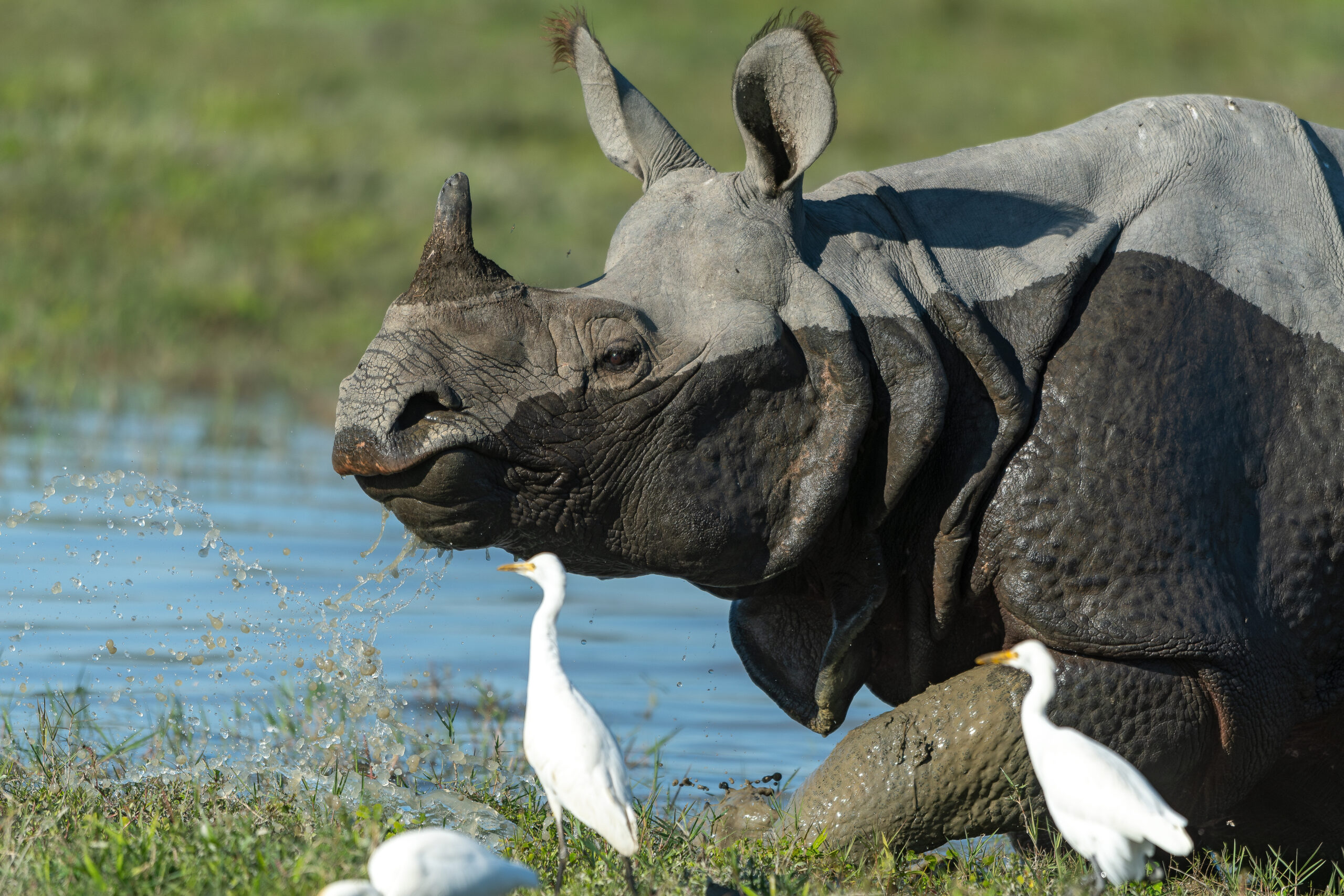
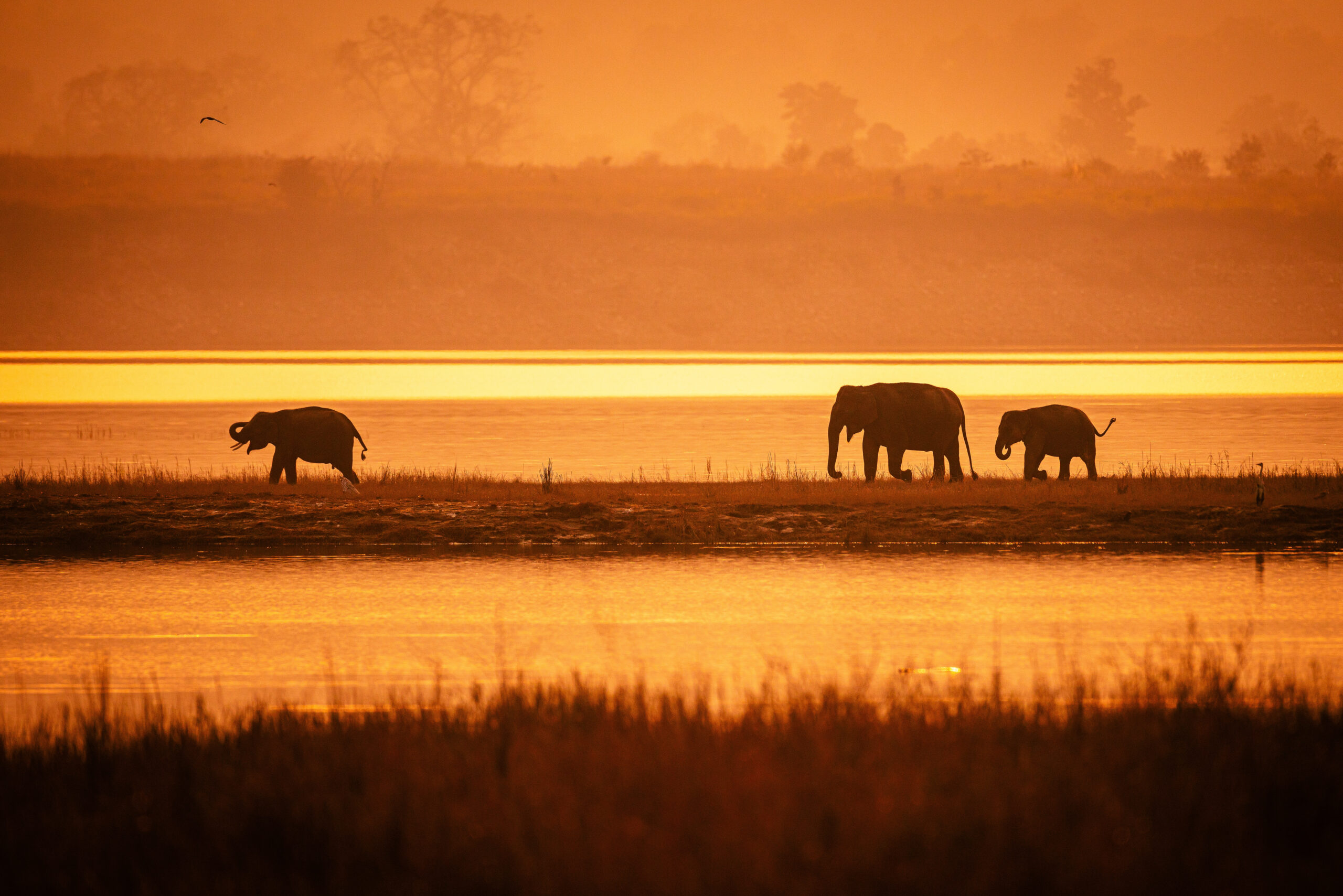
Burapahar is the zone I feel most connected to. The terrain changes, the forest closes in and the safari becomes slower, quieter and more intimate. It feels like the forest quietly allowing you in exclusively for a while and the natural beauty is otherworldly.
The tiny details here stay with me, too. White flowers spread across the floodplains during certain times of the year and make the grasslands feel delicate despite the rawness of the place. Then there is the spider flower growing out of rhino dung, which sounds mildly disgusting until someone explains the ecology behind it. Suddenly, you are leaning out of a gypsy, staring at dung with genuine fascination.
Travel changes you in strange ways.
Kaziranga constantly reveals new layers every time I return. It reminds me why I wanted to work in travel in the first place. Not just for polished itineraries or luxury, but for places that make you feel something real.
Maybe that is why I never get tired of going back. Every time I leave, I tell myself I will wait a while before returning.
But I am going back there next week.
For travellers looking at Kaziranga wildlife safaris, Happy Hathi Expeditions creates journeys around rhinos, elephants, swamp deer, grasslands, wetlands, birdlife, conservation stories and the wider landscapes of Assam.
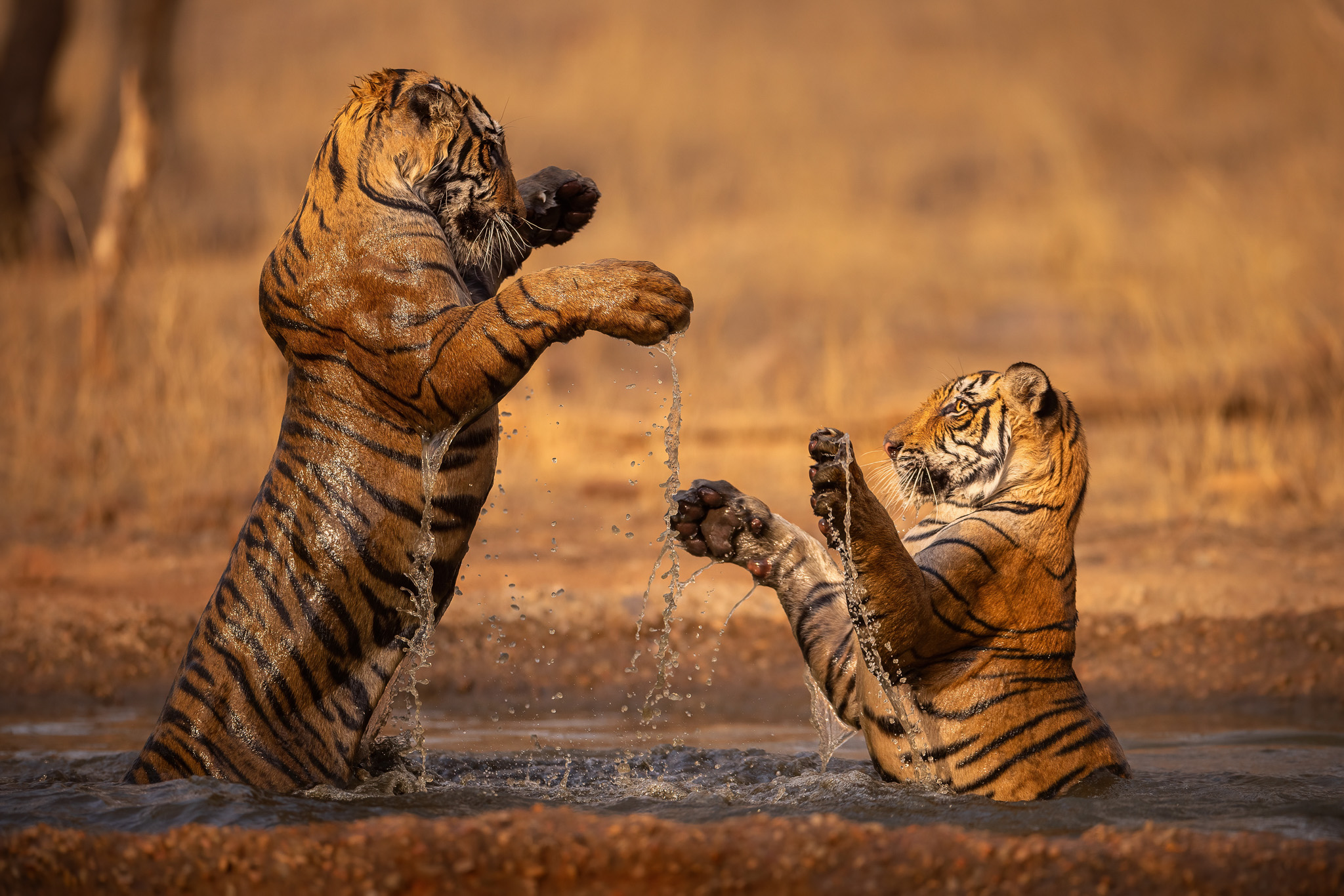
Most cats avoid water like it’s a personal insult. Tigers did not get that memo. A tiger…
View More

India is not one country when it comes to nature. It is many worlds packed into one extraordinary…
View More
There’s a moment, somewhere on the slope above Tumling, when you stop being a tourist. I had…
View More
