IndiaKazirangaWildlife
Why Tigers Love Water

Nicole Mody
Most cats avoid water like it’s a personal insult. Tigers did not get that memo. A tiger…
View More





India is not one country when it comes to nature. It is many worlds packed into one extraordinary map.
In the north, the Himalayas rise into a world of snow, blue sheep, ibex and the elusive snow leopard. In the west, the Thar Desert glows gold, where foxes, desert cats and camels move through a very different rhythm of life. In the centre, teak forests and grasslands hide tigers, leopards, sloth bears, wild dogs and gaur. In the east, the forests of Assam and the Northeast are loud with hornbills, gibbons and elephants. And in the south and west, the Western Ghats drip with frogs, snakes, birds, butterflies and ancient forests.
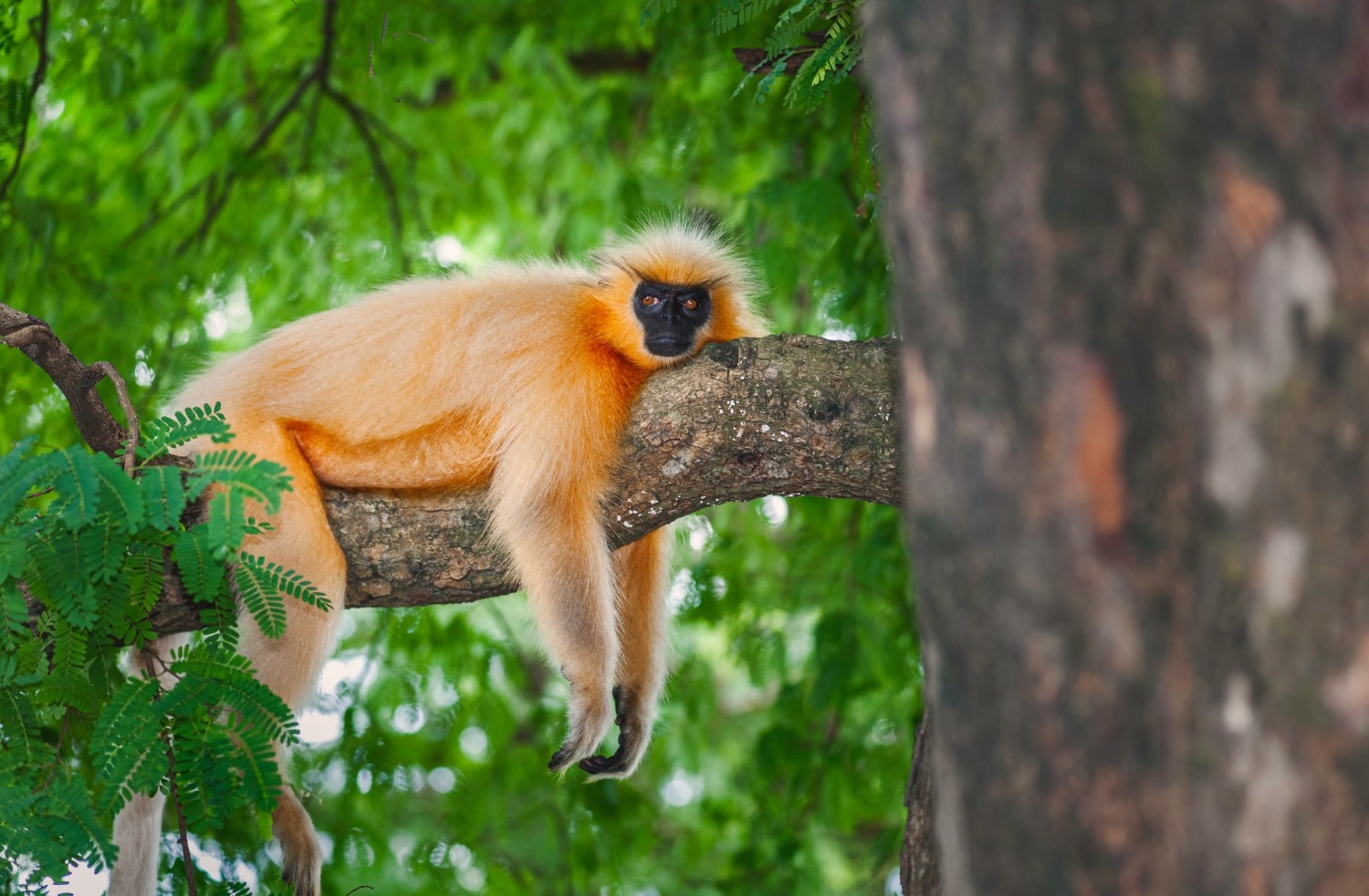


Then there are the islands, the wetlands, the mangroves, the coral reefs and the high-altitude deserts. Few countries offer this kind of range in one lifetime of travel.
That is why India is often called a biodiversity powerhouse. It covers a small part of the world’s land area, yet holds a remarkable share of the planet’s known species. For a traveller, this means that every journey can feel completely different. A tiger safari in Tadoba is not the same as a boat safari in the Sundarbans. Kaziranga feels nothing like Ranthambhore. A walk through Meghalaya’s living root bridges is a different universe from tracking snow leopards in Ladakh.
This is also what makes wildlife travel in India so rewarding. You do not need to chase only one animal. Of course, the tiger is a star, and rightly so. But the supporting cast is just as fascinating. There are elephants in the grasslands, river dolphins in the Ganga and Brahmaputra systems, hornbills in the canopy, crocodiles in the rivers, bears in the forests, and tiny wild cats that most people never even hear about.

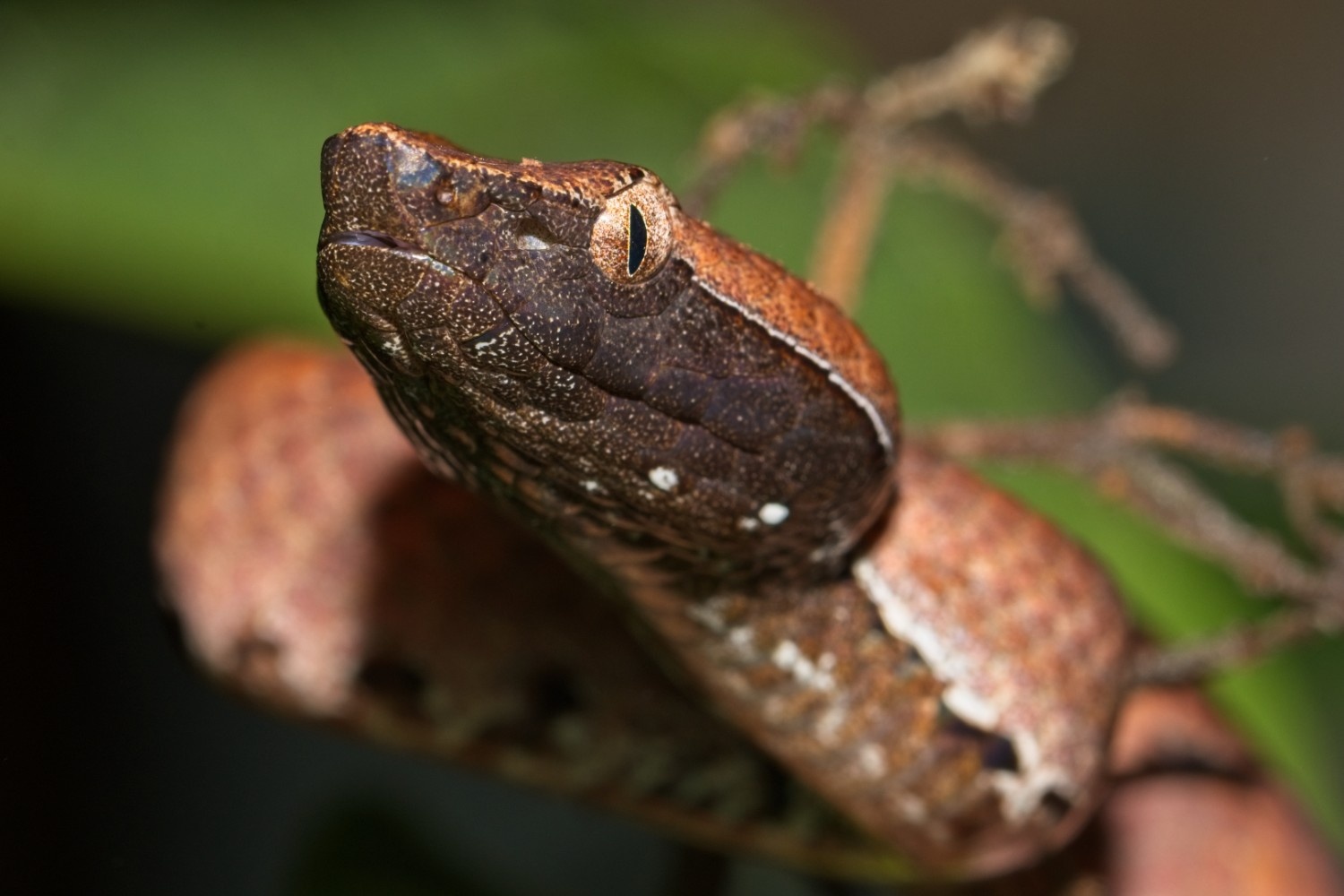
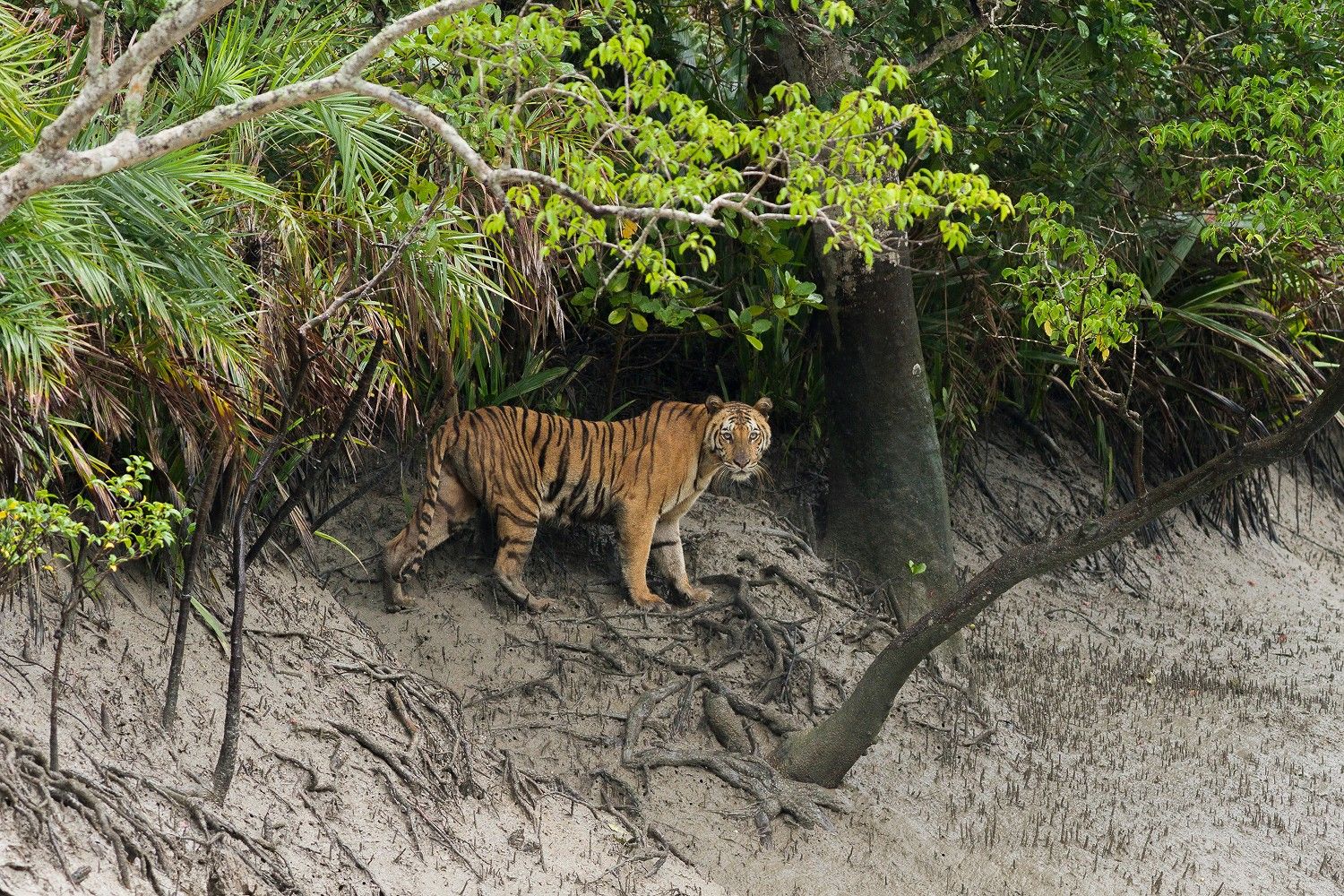
India’s wildlife is not only about big sightings. It is about landscapes, people, food, folklore and patience. It is about learning why a tiger sprays on a tree, why a hornbill needs an old forest, why elephants follow ancient routes, and why a mangrove forest can feel like a living maze.
For families, India is also one of the most exciting places to introduce children to the natural world. A child may come for the tiger, but leave remembering pugmarks in the dust, langurs calling from trees, a kingfisher flashing blue over water, or the first time they learned to sit silently in a forest.
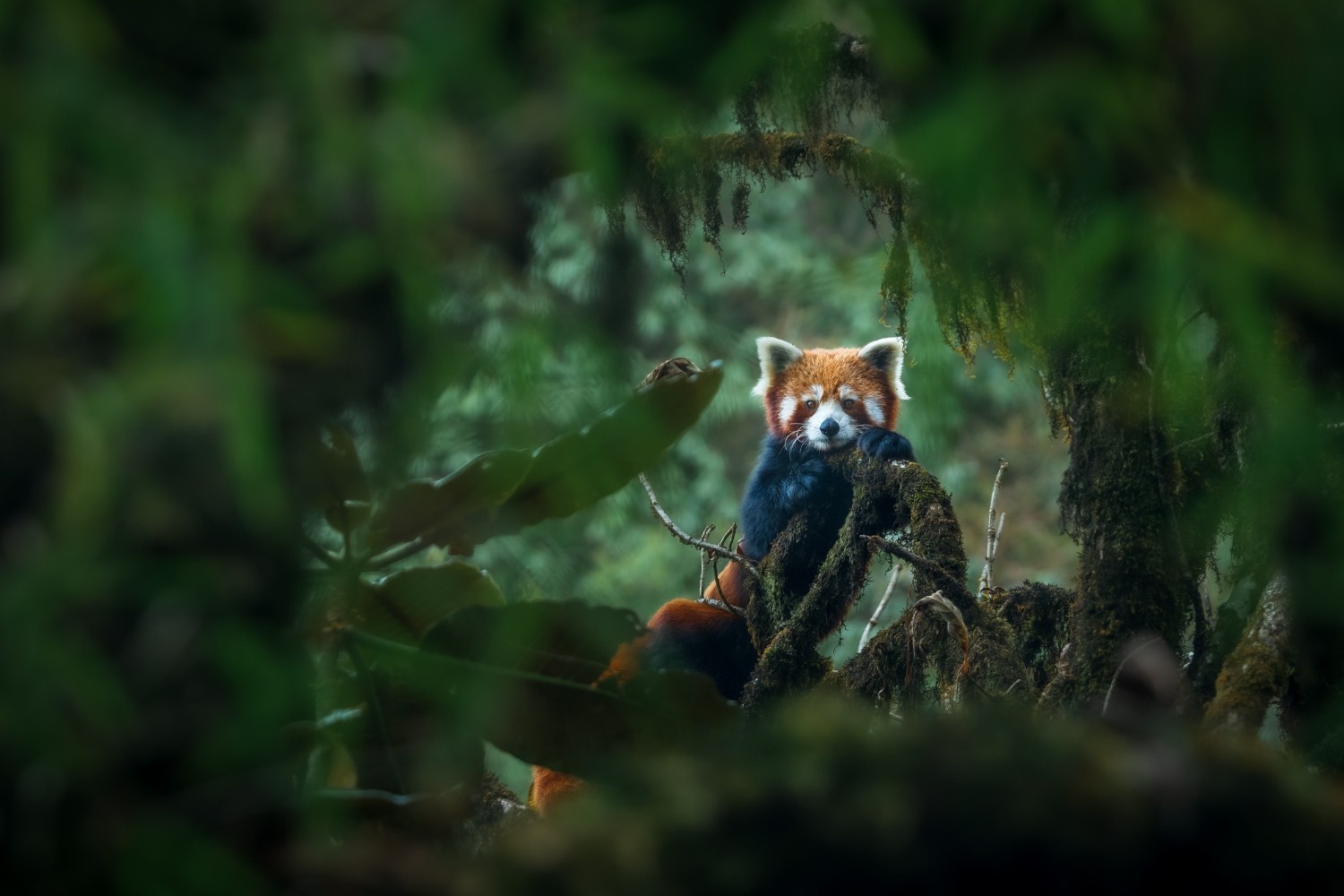

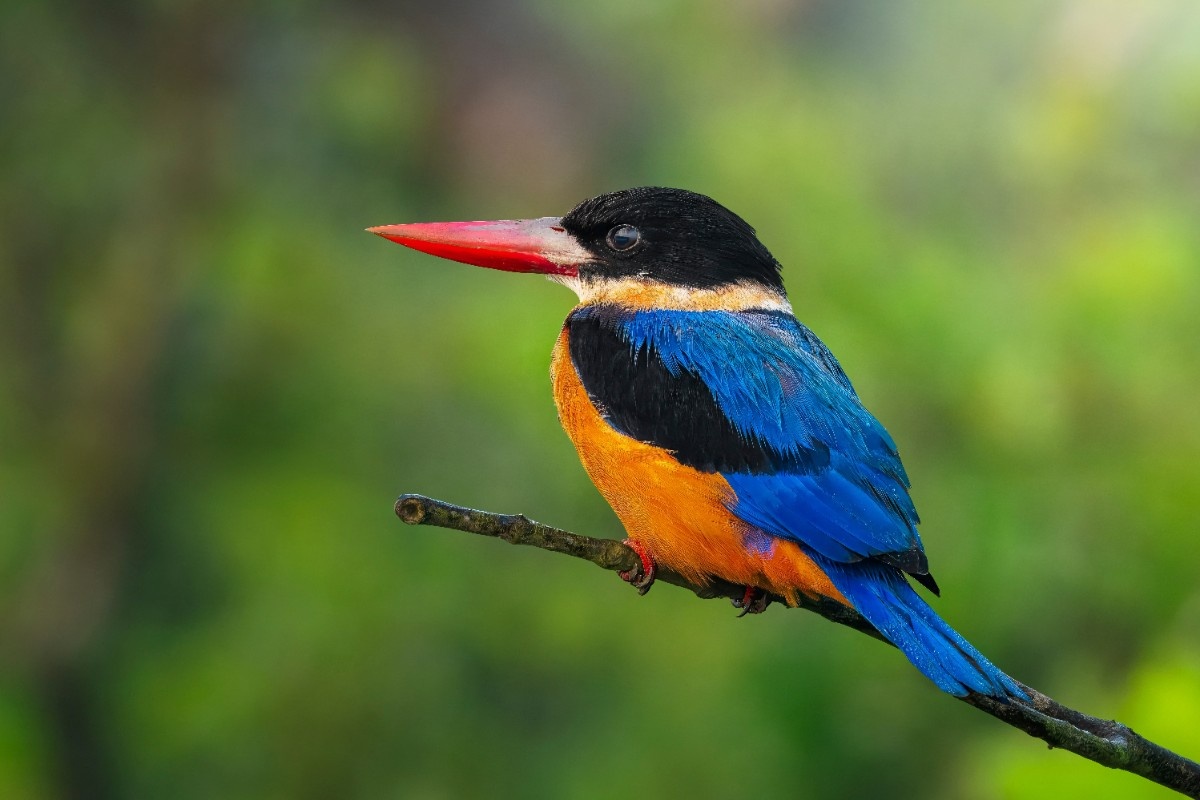
At Happy Hathi Expeditions, we design wildlife journeys that go beyond the checklist. We look at the season, the forest, the guides, the lodges, the pace, and the people travelling. Whether it is a first tiger safari, a deeper Central India journey, a Sundarbans boat expedition, a Northeast wildlife trail, or one of our Toddler Trails for younger explorers, the idea is simple, make the wild feel alive, layered and unforgettable.
India is not just a destination for wildlife lovers. It is a continent of wild stories, waiting to be entered carefully, curiously and with the right people.
Planning a wildlife safari in India? Happy Hathi Expeditions curates tiger safaris, family wildlife holidays, Toddler Trails, birding journeys and deeper nature-led expeditions across India’s most exciting habitats.
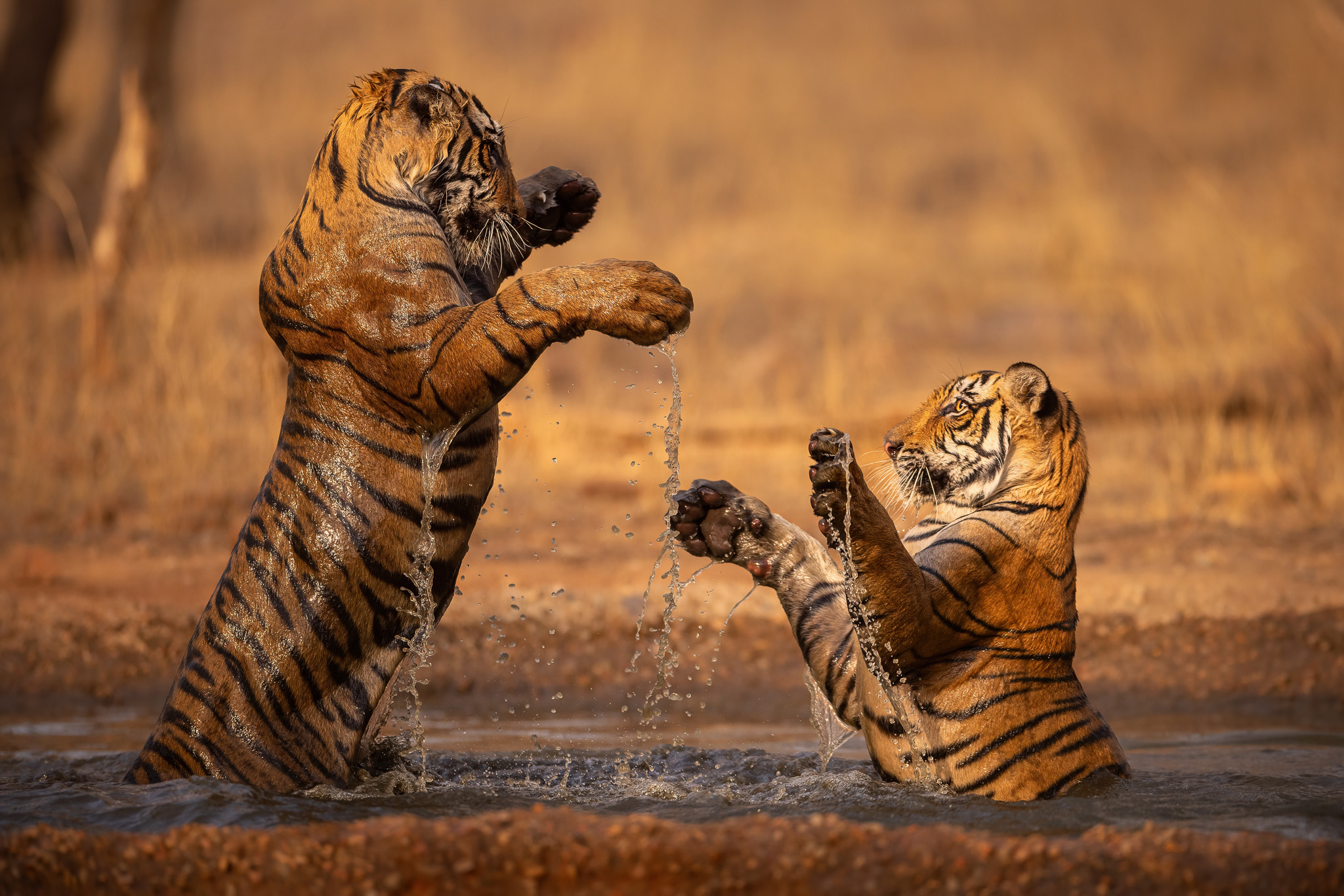
Most cats avoid water like it’s a personal insult. Tigers did not get that memo. A tiger…
View More
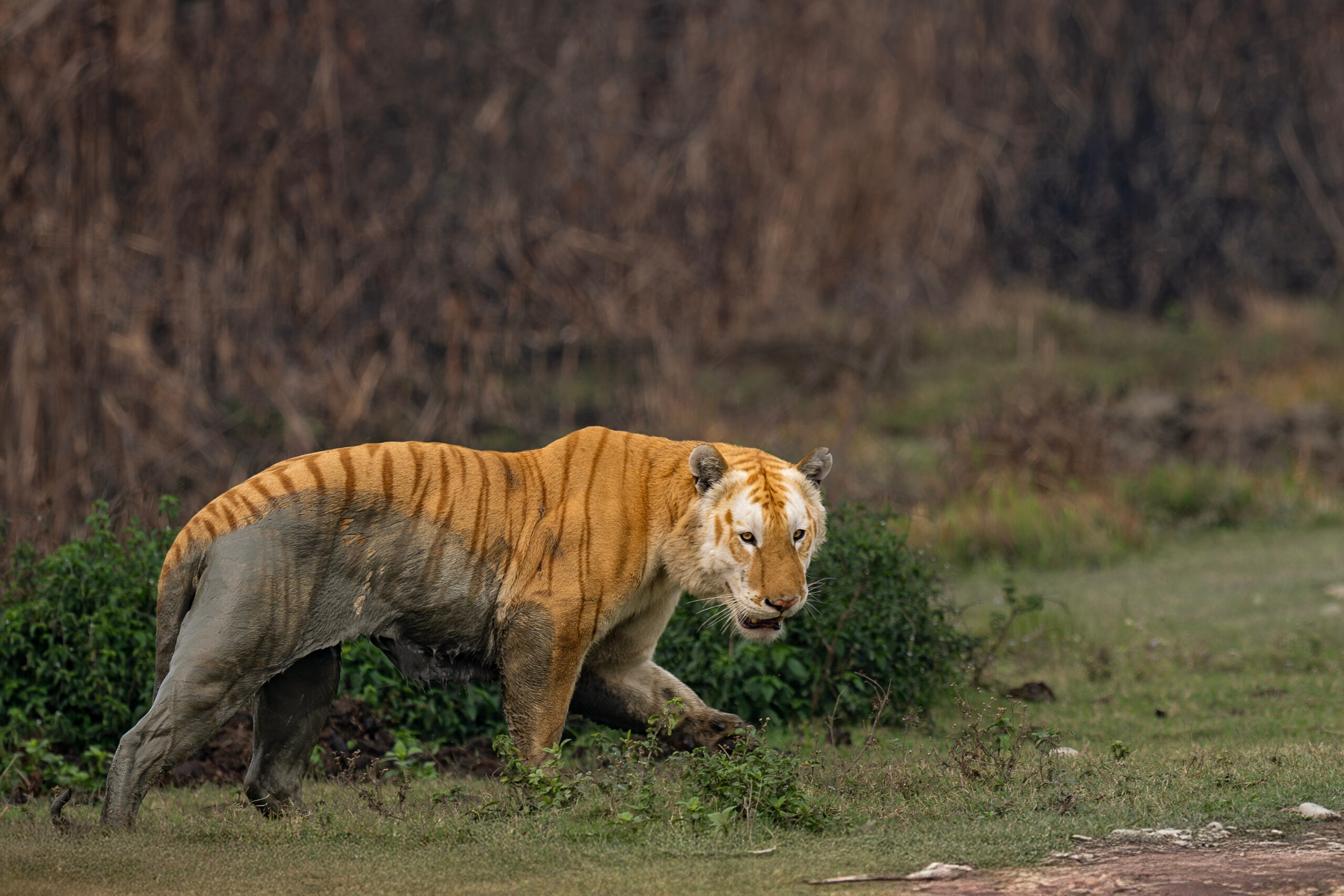
People often ask me why I keep going back to Kaziranga. In all fairness, I am still relatively…
View More
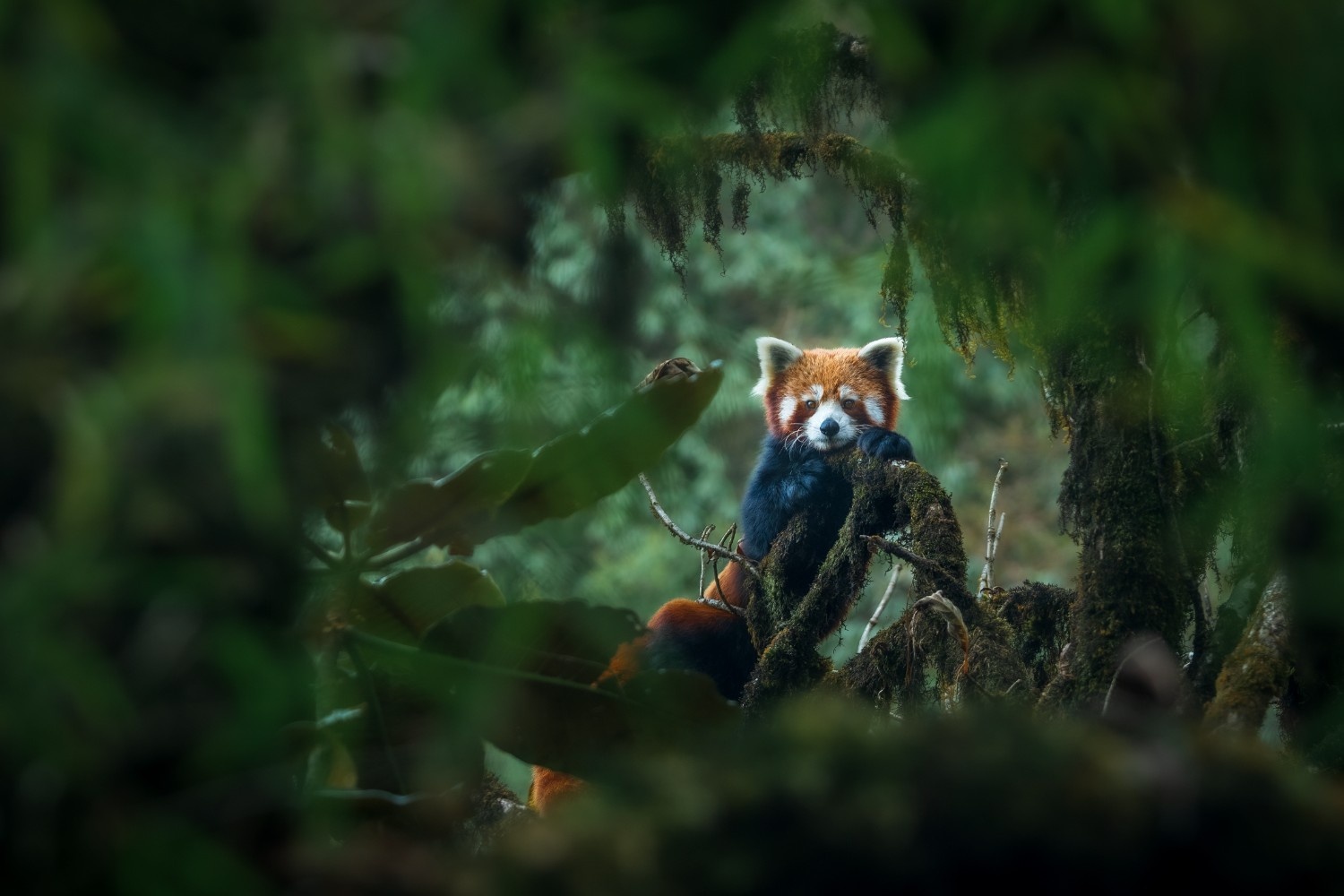
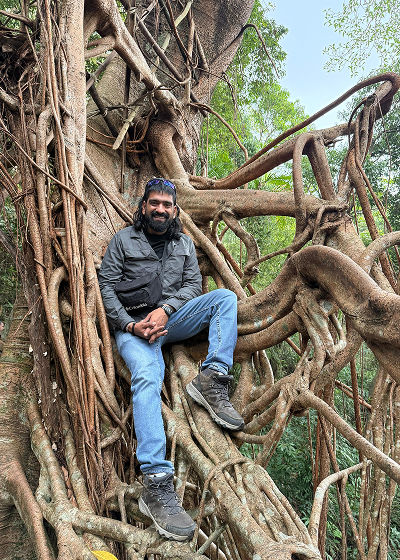
There’s a moment, somewhere on the slope above Tumling, when you stop being a tourist. I had…
View More