IndiaKazirangaWildlife
People often ask me why I keep going back to Kaziranga. In all fairness, I am still relatively…
View More
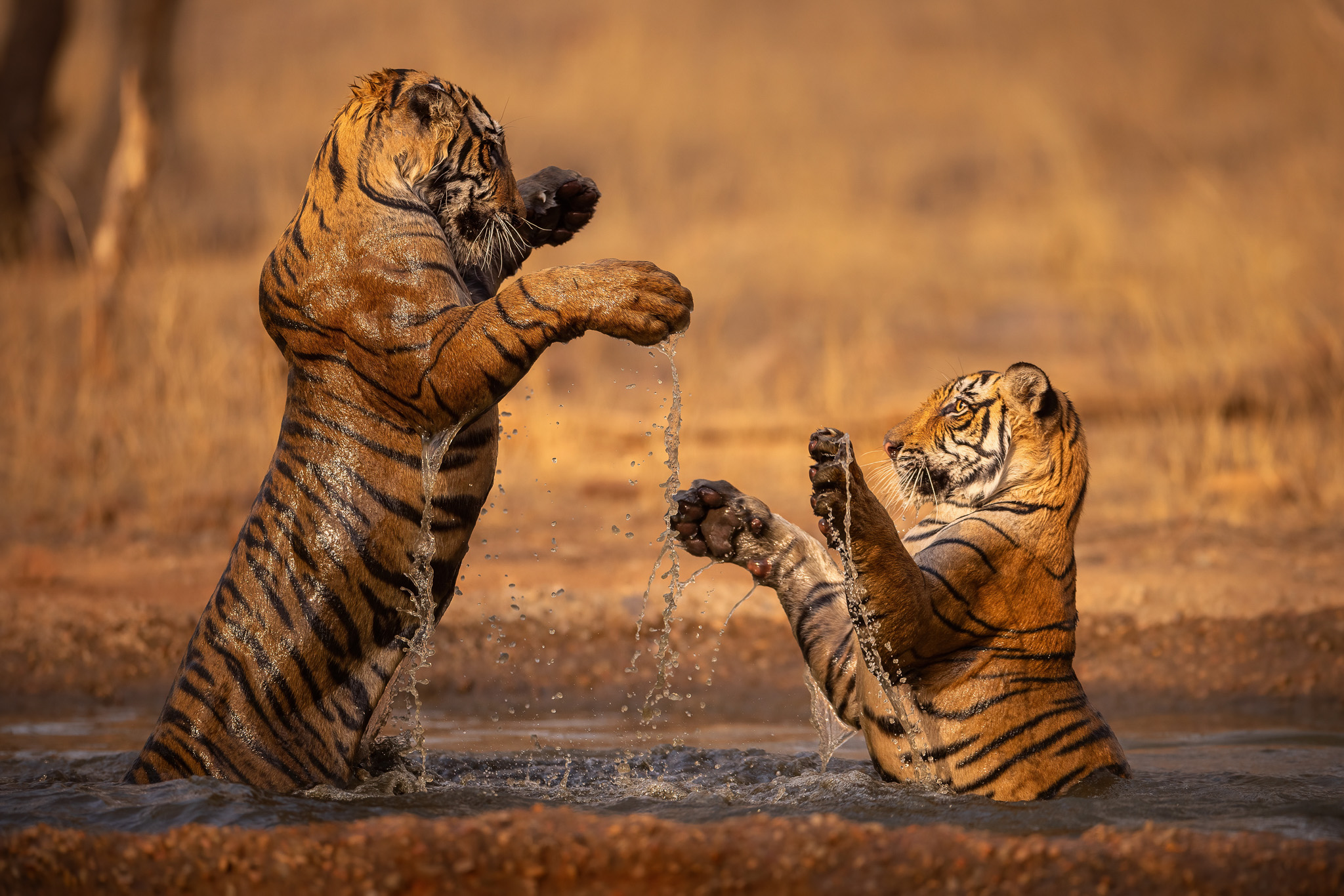




Most cats avoid water like it’s a personal insult. Tigers did not get that memo.
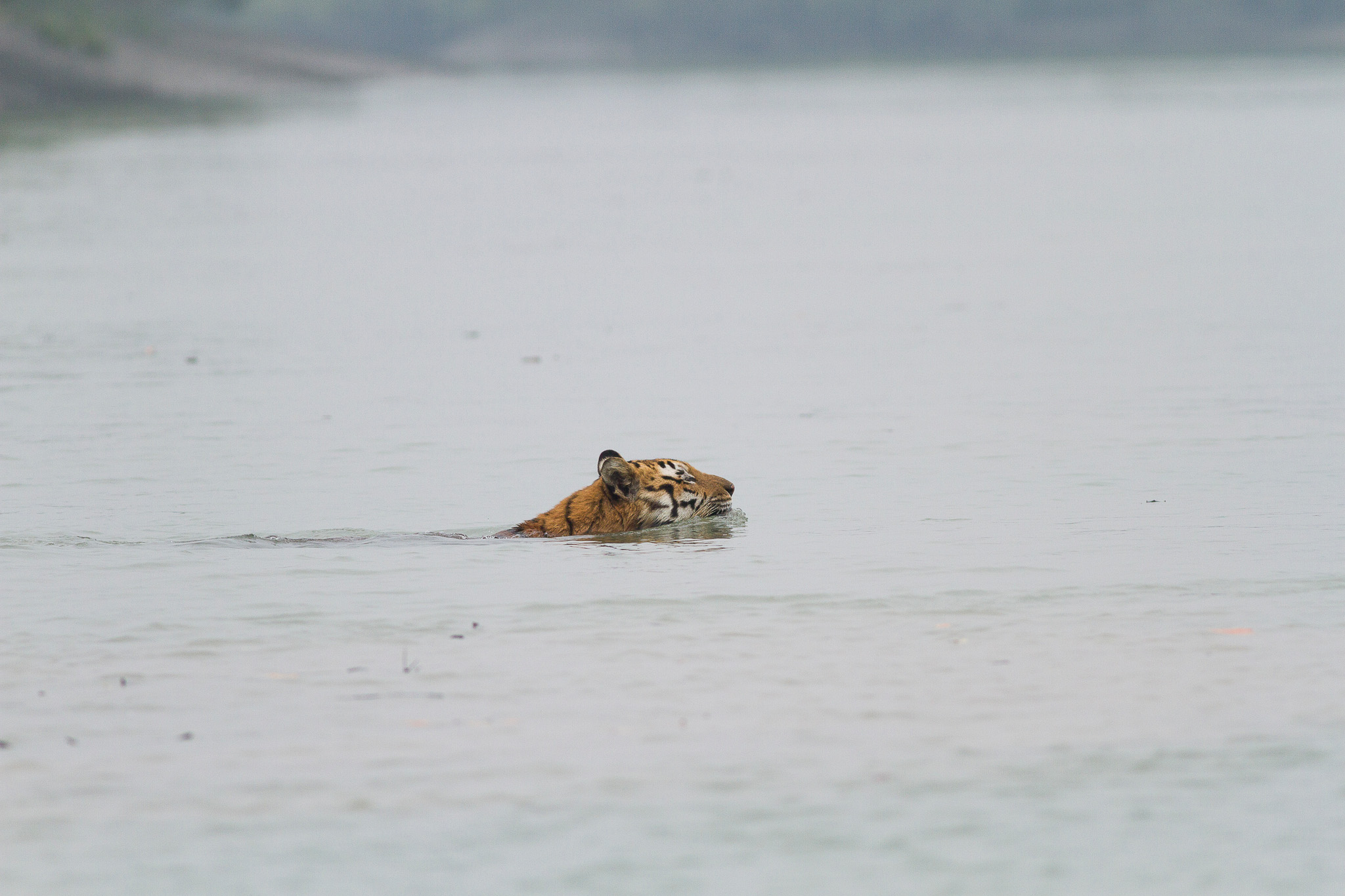
A tiger will walk into a lake, sit in a forest pool, cross a river, and, in the case of the Sundarbans, even swim between mangrove islands. For anyone who has only seen house cats leap away from a dripping tap, this can feel almost unbelievable. But for tigers, water is not a problem. It is part of life.
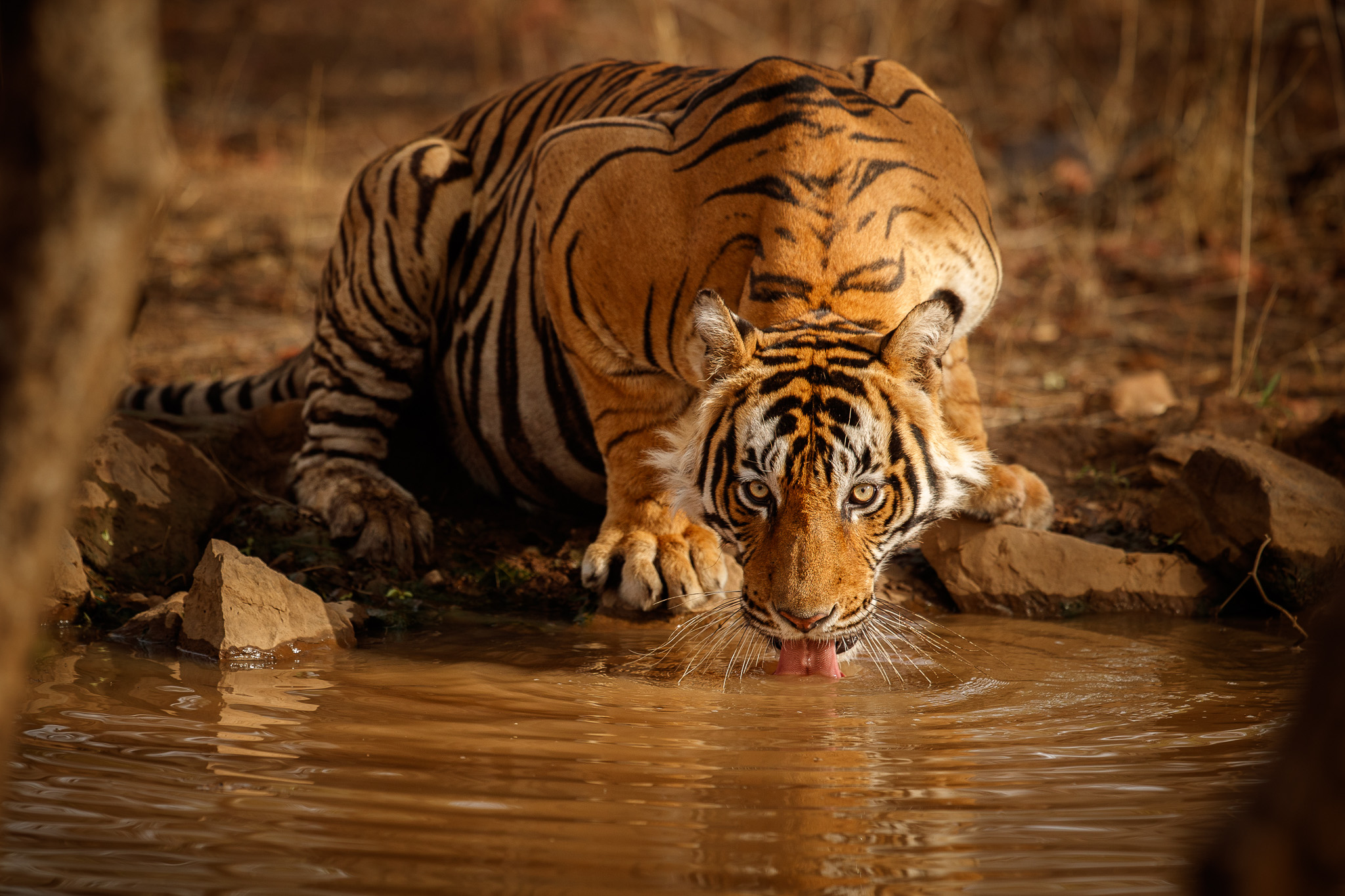
The first reason is the simplest: India gets hot. Very hot. In summer, forest temperatures can climb sharply, especially in places like Tadoba, Bandhavgarh, Ranthambore and Pench. A tiger is a large, muscular animal with a thick coat. Resting in water helps it cool down. On a summer safari, one of the great joys is finding a tiger half-submerged in a pool, eyes half-closed, completely unbothered by the world.
Reason number two: Water is useful for hunting. Deer, wild boar, gaur and other prey species need to drink. A tiger knows this. It may wait near a water body, hidden by grass or shade, watching quietly until the right moment. A tiger hunt is not all speed and drama, it is mostly patience followed by a burst of speed.
The third reason is adaptation. Let’s look at the Sundarbans, one of the most unusual tiger habitats on Earth. Here, the forest is shaped by tides, mud, creeks and mangrove islands. Tigers swim because they have to. Their territory is not one neat block of forest; it is a shifting, watery maze. A Sundarbans tiger crosses channels, moves between islands and lives in a landscape that feels completely different from the dry forests of Central India.
Tiger cubs also learn through play. Splashing, chasing and tumbling in water are not just cute moments, they are part of growing up in the wild. Play builds coordination, strength and confidence. A cub that learns to move through water becomes an adult better prepared for its landscape.
This is what makes tiger behaviour so fascinating. A tiger is not just a striped animal waiting to be photographed. It is thinking, reading scent, marking territory, choosing shade, avoiding fights, teaching cubs and using water intelligently. Once you understand this, a safari becomes much richer.
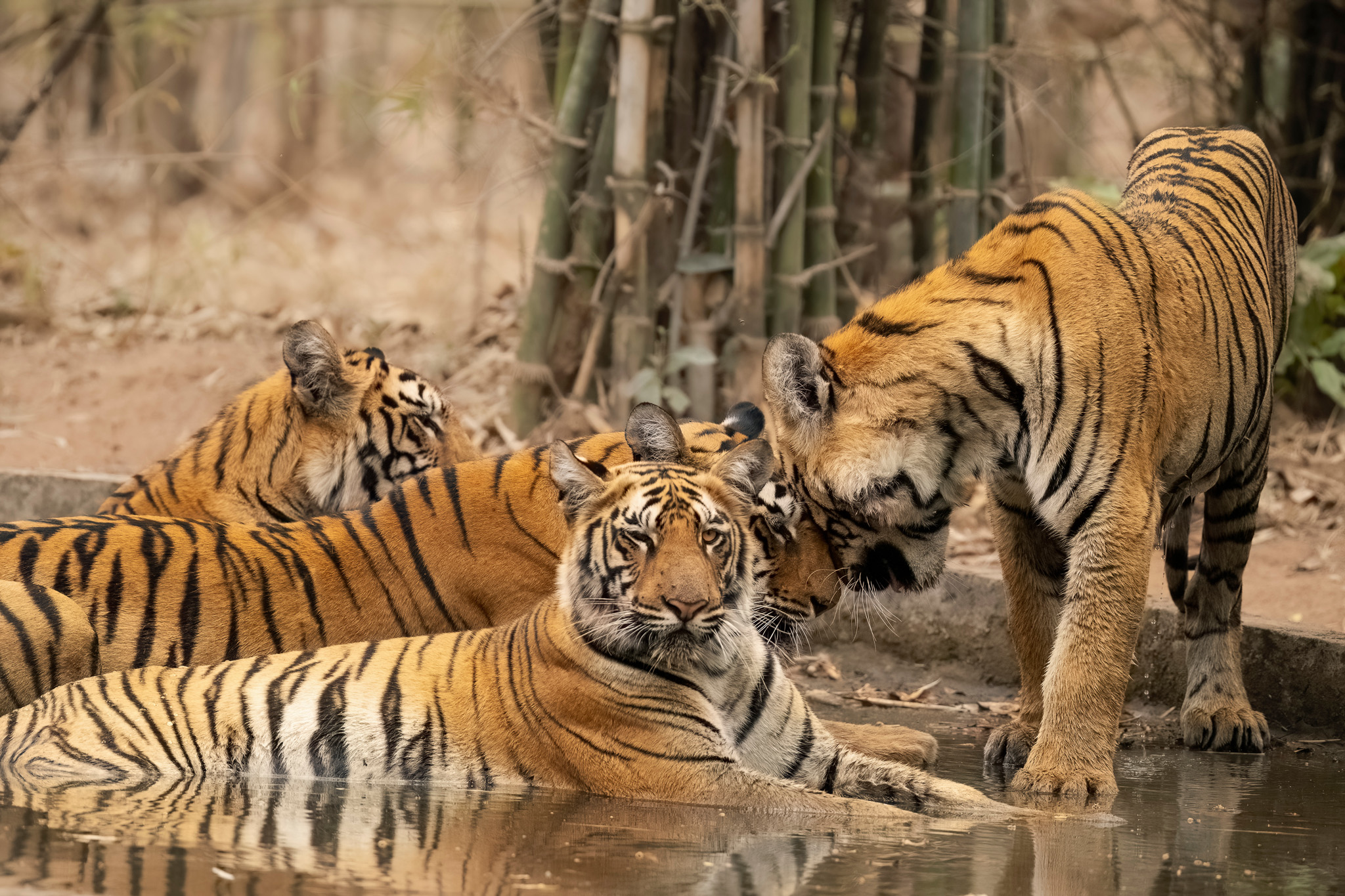
For families, this is often the best way to make a tiger safari exciting for children. Instead of simply waiting for the tiger, children can learn to read the jungle. Where would a tiger rest on a hot day? Why are the deer nervous? What does a pugmark tell us? Why do tigers spray? Why do cubs play so much?
At Happy Hathi Expeditions, we believe a tiger safari should be more than a chase. It should be a story that unfolds slowly, with the right guide, the right forest, the right season and the right pace. Whether it is Tadoba, Kanha, Bandhavgarh, Ranthambhore, Corbett or the Sundarbans, every tiger landscape teaches something different.
So yes, tigers love water.
But more than that, water reveals how clever, adaptable and beautifully designed they are.
Planning a tiger safari in India? Happy Hathi Expeditions curates private tiger safaris, Central India wildlife journeys, Sundarbans expeditions and family-friendly Toddler Trails designed around season, forest behaviour and meaningful guiding.
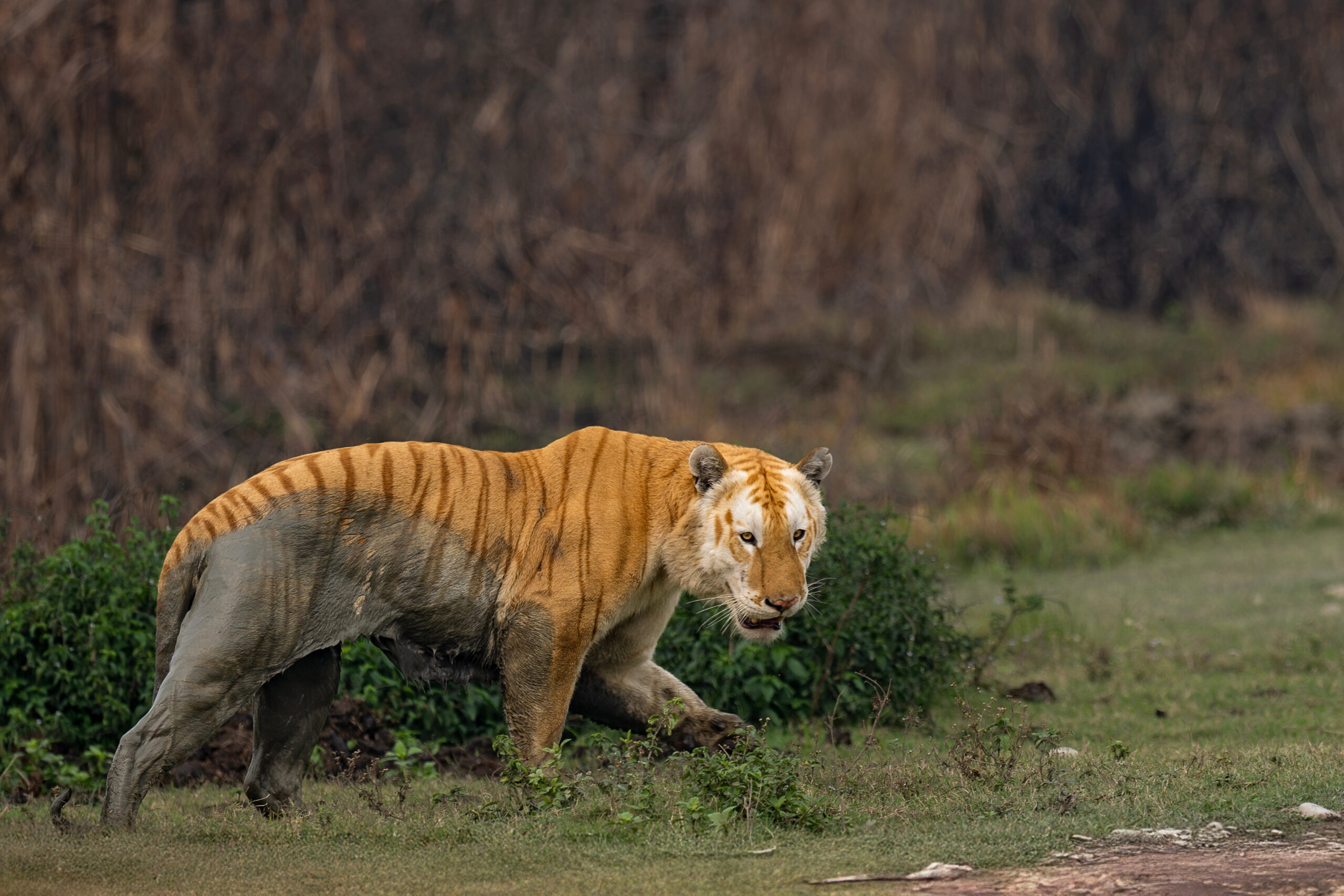
People often ask me why I keep going back to Kaziranga. In all fairness, I am still relatively…
View More

India is not one country when it comes to nature. It is many worlds packed into one extraordinary…
View More
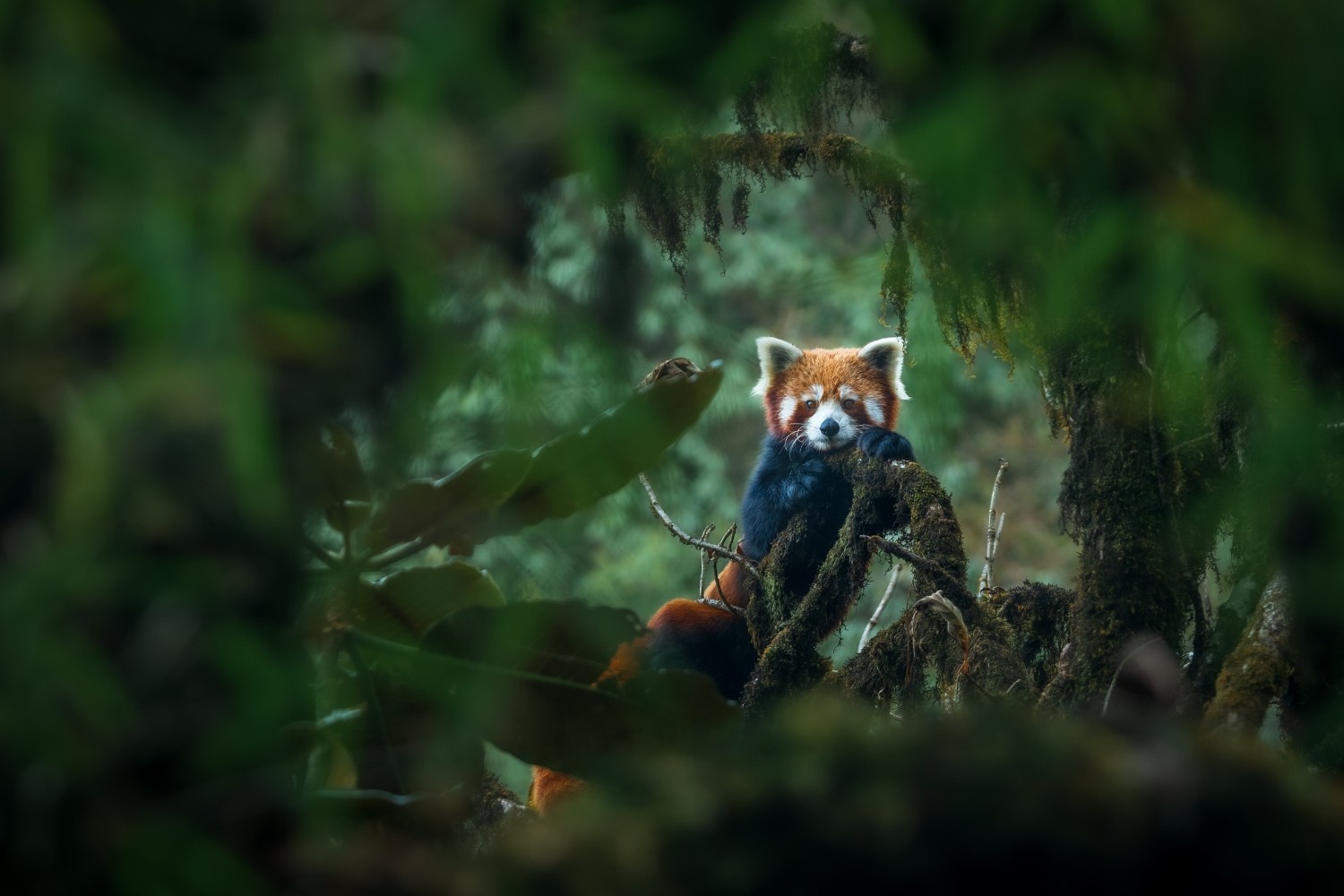
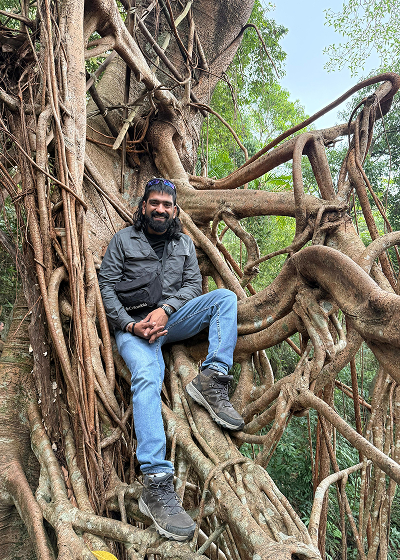
There’s a moment, somewhere on the slope above Tumling, when you stop being a tourist. I had…
View More
