SafariWildlifeWildlife Ethics

Wildlife sightings and safaris have changed dramatically over the last decade. I hear it often from guides and…
View More
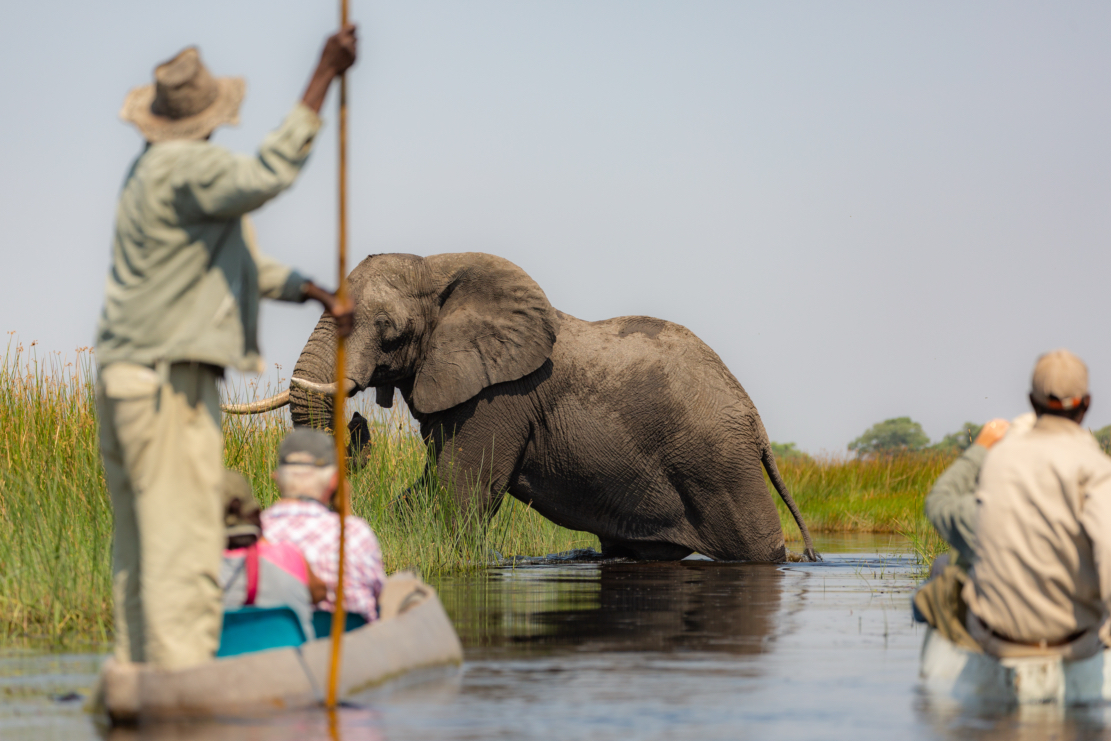




Luxury, in the context of wildlife travel, is often misunderstood. It is assumed to be about thread counts, imported wines, or how many sightings one can collect in a single drive. But the longer I’ve spent in forests, the more clearly I’ve come to believe this: true luxury in the wild has very little to do with excess.
Luxury, for me, is time.
Time to sit still without checking a watch.
Time to watch a forest wake up instead of rushing through it.
Time to allow an experience to unfold on its own terms.
In the wild, nothing responds well to urgency. Animals don’t appear on command, landscapes don’t reveal themselves instantly, and understanding doesn’t arrive in soundbites and reels. When travel is designed around patience rather than pressure, that is when the shift happens. Both outside and within the traveller.
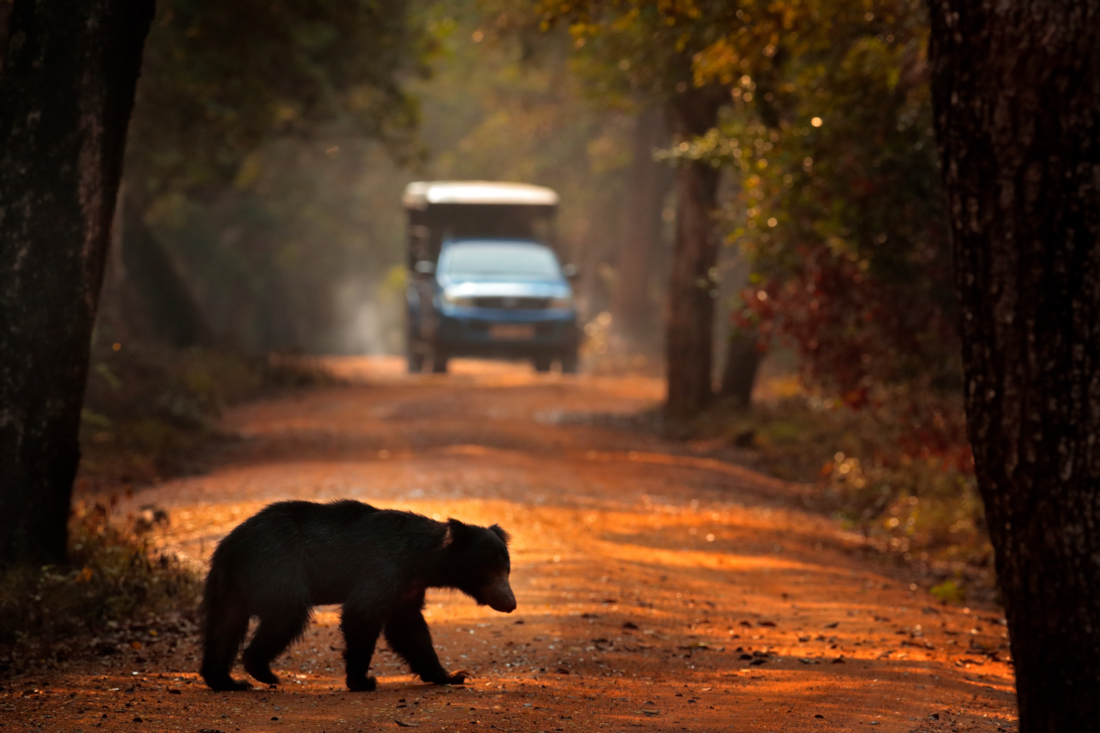
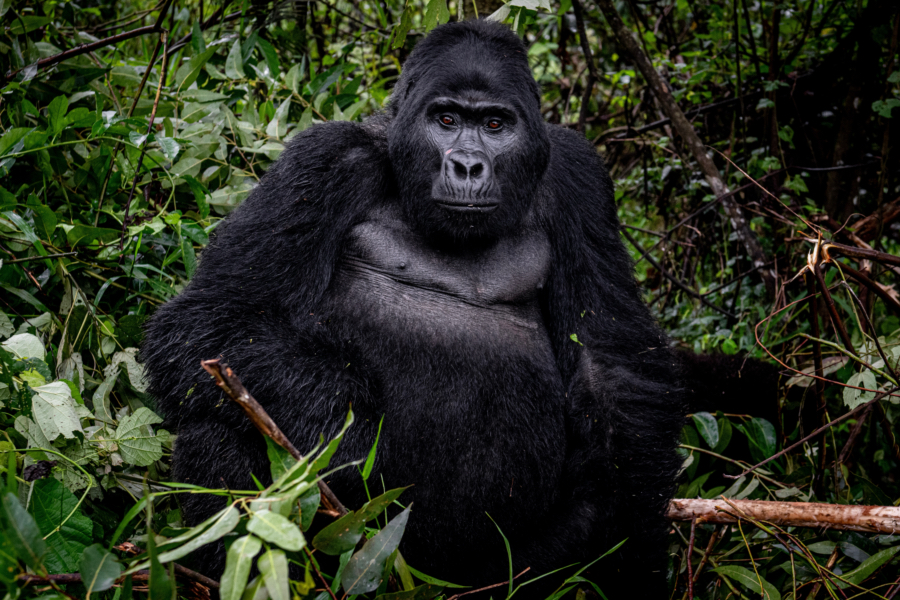
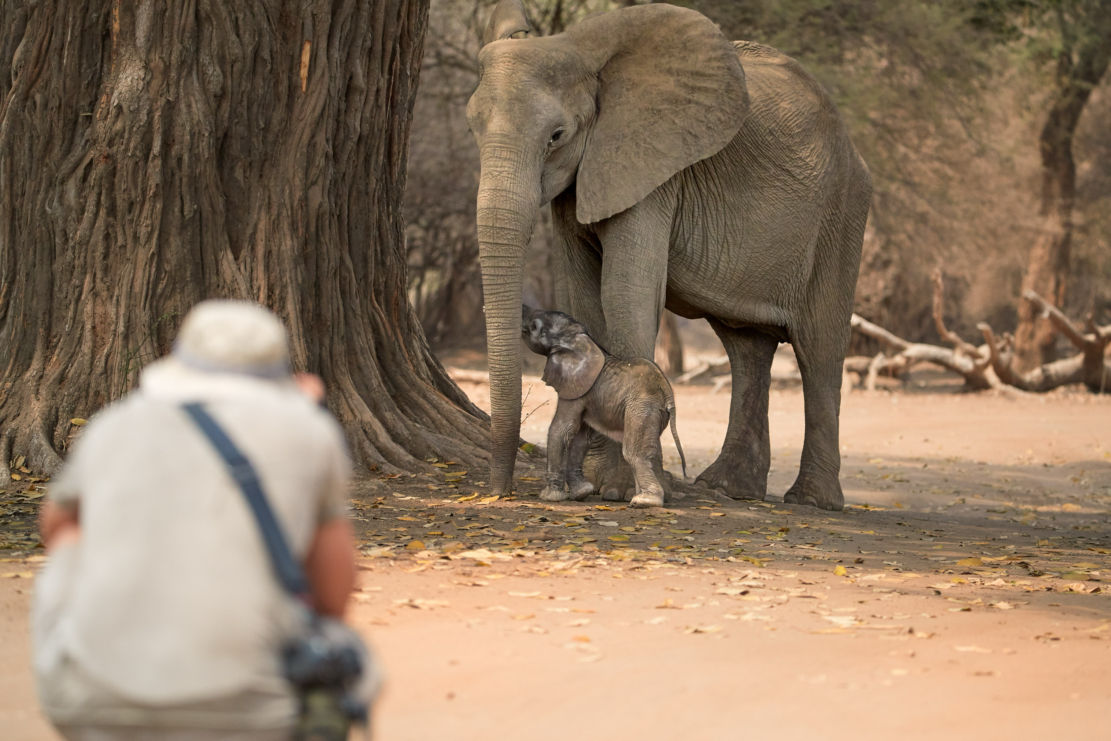
The second pillar of luxury is access. I don’t mean a sense of exclusivity for its exclusivity’s sake, but access to quiet, to space, and to knowledge. Fewer vehicles on a track. Fewer radios crackling with updates. Fewer instructions shouted in haste. When numbers are limited, the forest breathes differently. You begin to hear the alarm call before you see the animal. You notice the change in light, the direction of the wind, the behaviour of birds long before a larger presence announces itself.
This is also where informed guidance matters. A good naturalist doesn’t chase sightings; they build context. They help you read the forest from the forest floor upward. Insects, leaf litter, pugmarks, old scrape marks on trees, distant calls – these are not fillers between “big moments.” They are the experience. And understanding them requires slowing down enough to see what’s usually overlooked.
Which brings me to restraint which according to me is the most underrated form of luxury.
Knowing when not to move closer.
When to turn the engine off.
When to sit in silence rather than fill it with commentary.
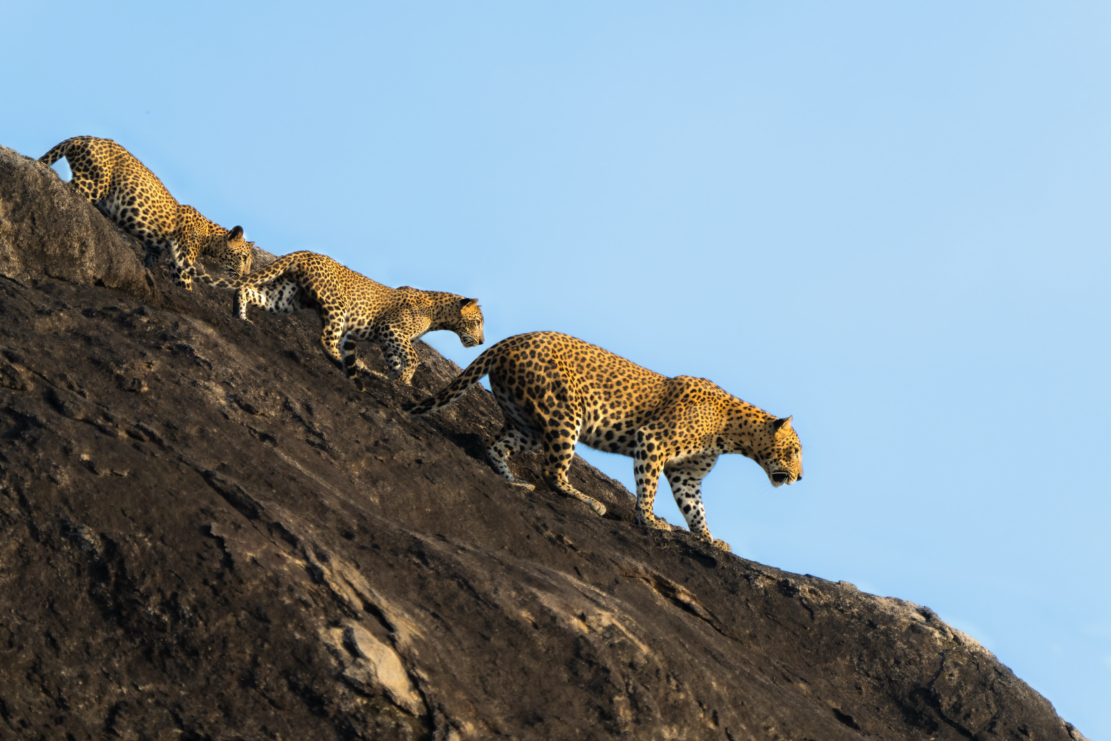
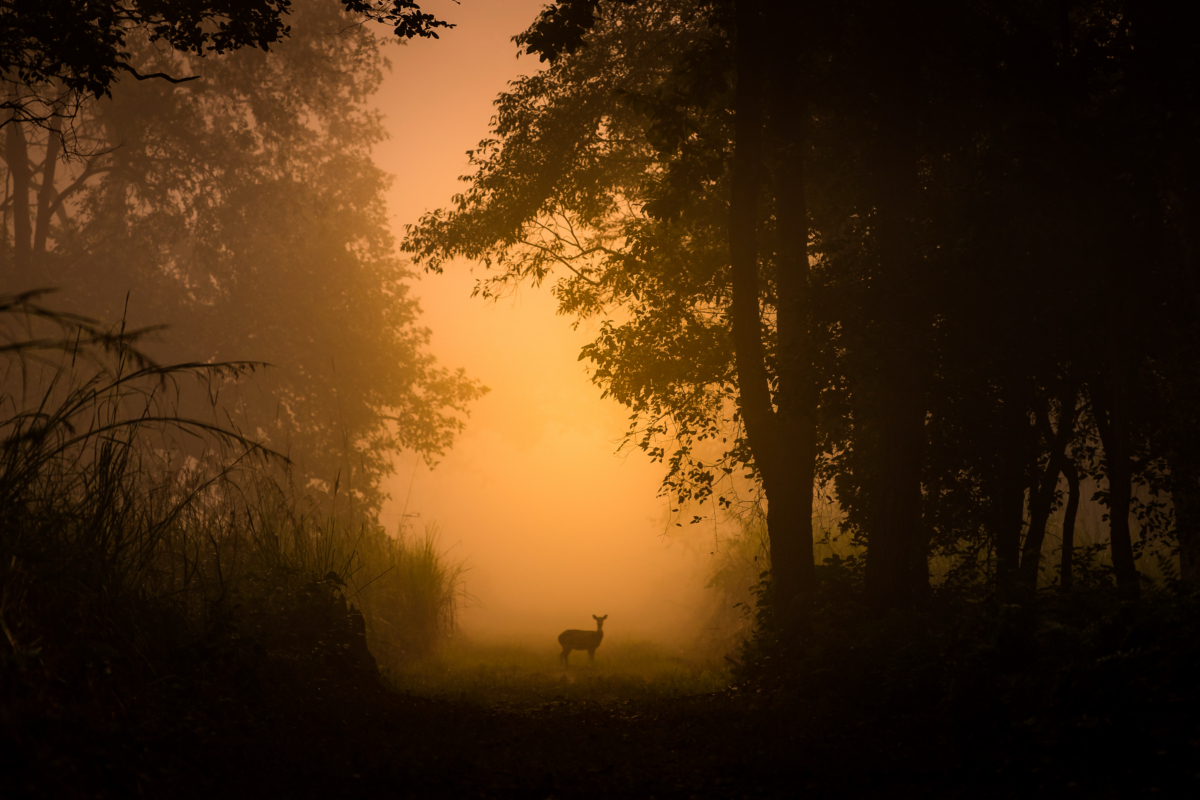
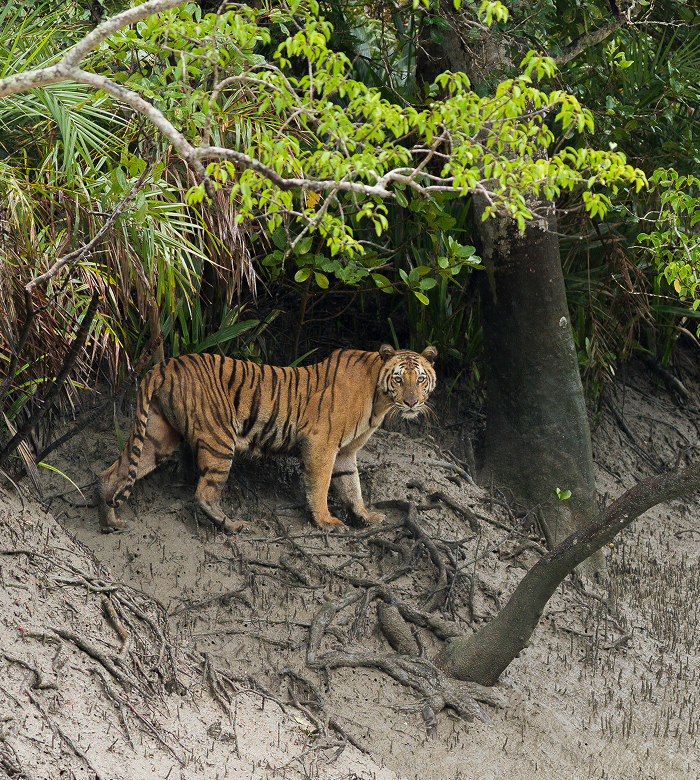
In a world that equates value with volume, restraint feels radical. But the wild rewards it. Silence often offers more than spectacle. Perspective often arrives long after the sighting is over.
Some of the most meaningful moments I’ve witnessed didn’t involve a tiger at all. They involved mist lifting off a meadow, a lone tree alive with birdsong, or a guest realising – quietly of course – that they were more present than they had been in years.
That is the recalibration wildlife travel can offer when done thoughtfully. Not adrenaline, but awareness. Not conquest, but connection.
Because in the end, the rarest things in the wild aren’t animals—they’re silence, time, and the permission to slow down.
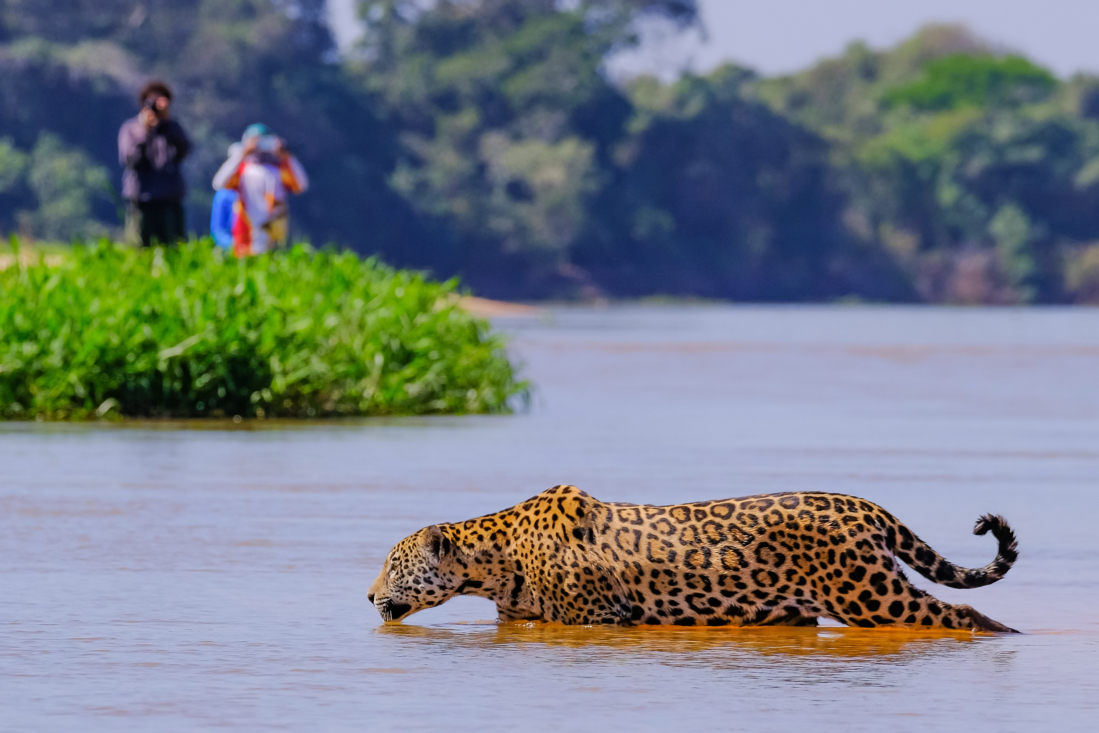
Wildlife sightings and safaris have changed dramatically over the last decade. I hear it often from guides and…
View More
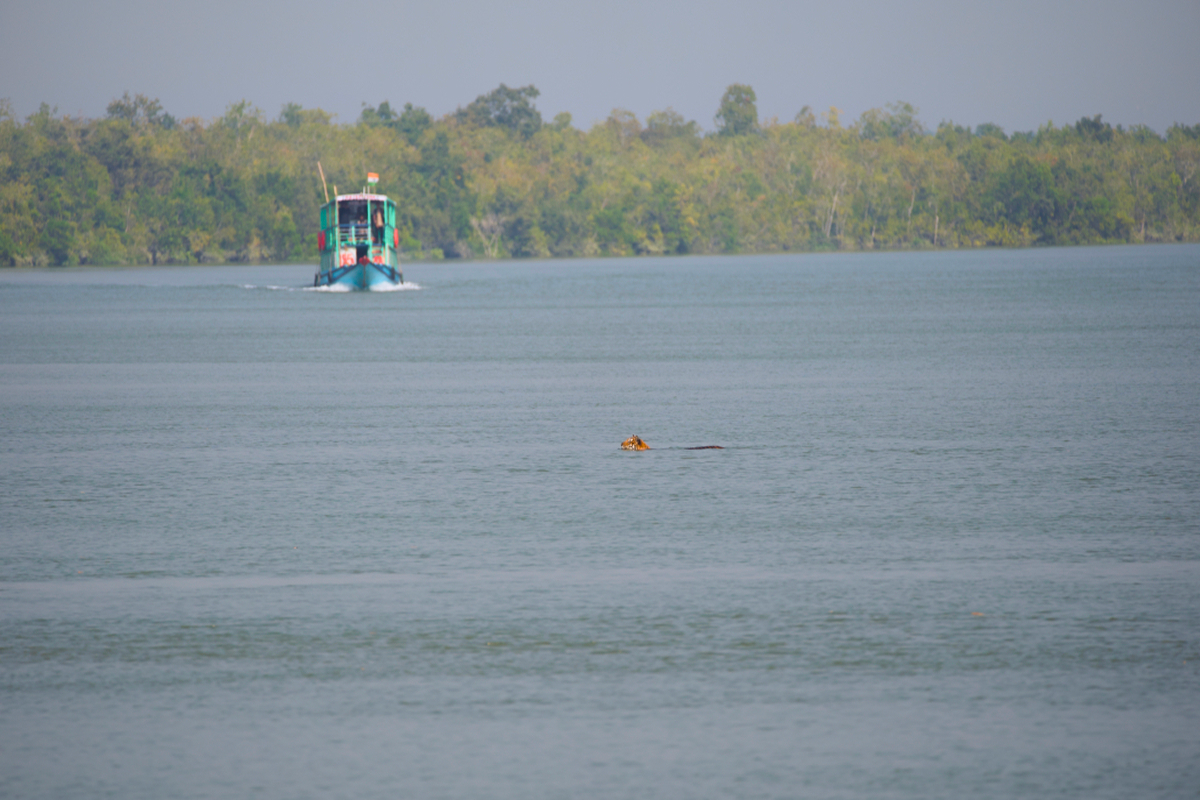
The Sundarbans is the land of adaptations. Every living thing here negotiates survival. The tides dictate life. The…
View More